inclusion

TIMELINE: A CENTURY OF INCLUSION

1910-1919

1918

Women are admitted to Bentley when enrollment of men drops during WWI. By the early 1920s, enrollment again is all male as the accounting profession was generally closed to women.

1920-1929

1923

Alpha Gamma Pi 

Alpha Gamma Pi, a fraternity, is formed by a group of Jewish students.

1933

Francisco Montoya 

Francisco Montoya, a student from Colombia, graduates with the class of 1933.

1935

Robert C. Hayden 

Robert C. Hayden becomes Bentley’s first African-American graduate.

1940-1949

1941

Pamphlet Encouraging Students to Change ‘Difficult’ Last Names 

The School publishes a pamphlet encouraging students with “difficult” last names to change them.

1942

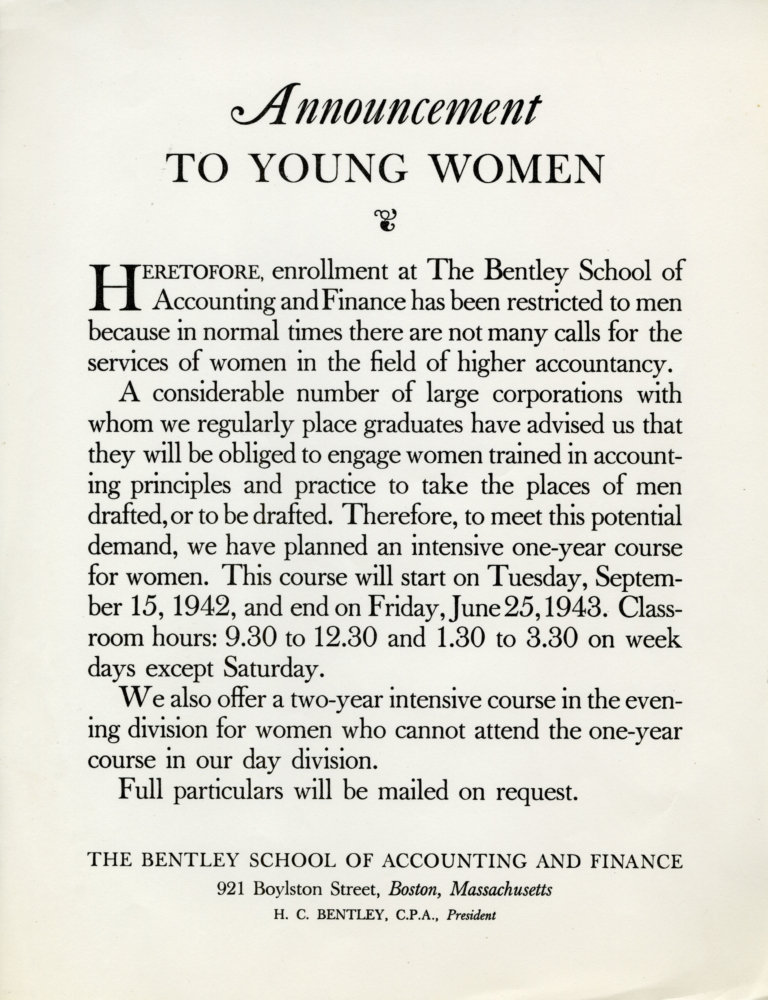
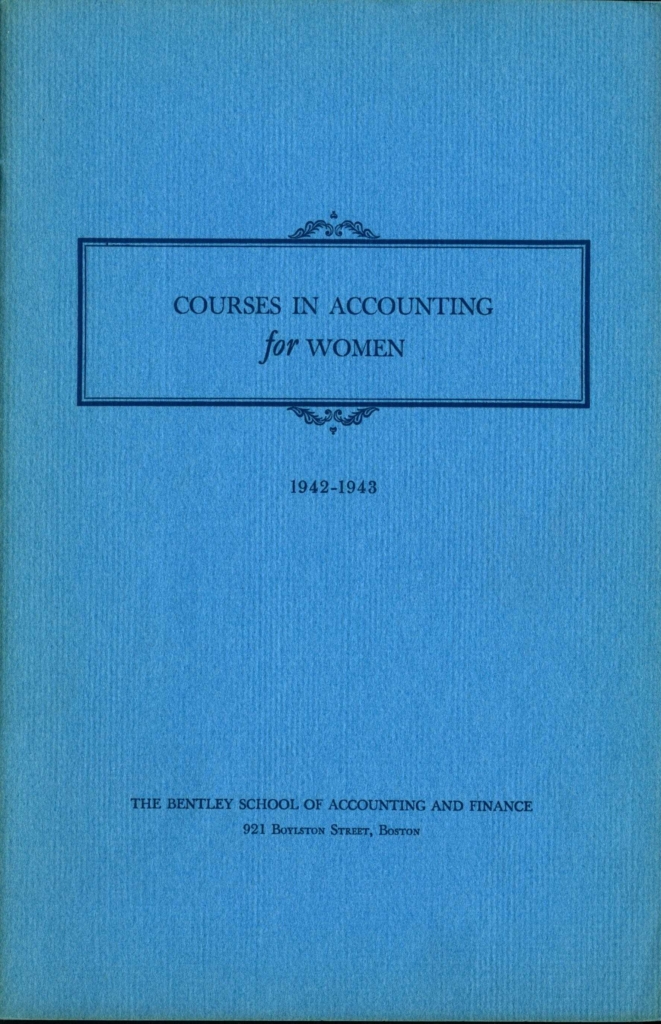
Women enroll again because of declining male enrollment caused by WWII. At this time, the school becomes officially and permanently co-educational. 
1942

1944

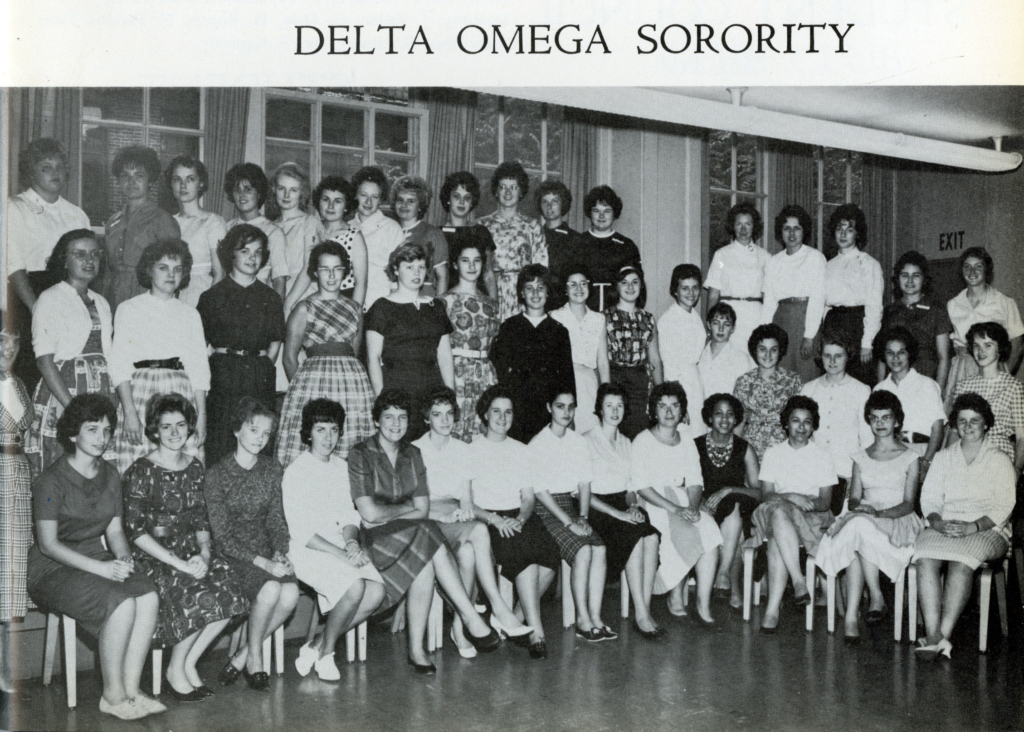
Delta Omega sorority photo
Delta Omega, the first sorority, is established.

1948

Frances Crawley becomes first female instructor at the Bentley School.
Frances Crawley

1949

1949 Graduate Bulletin
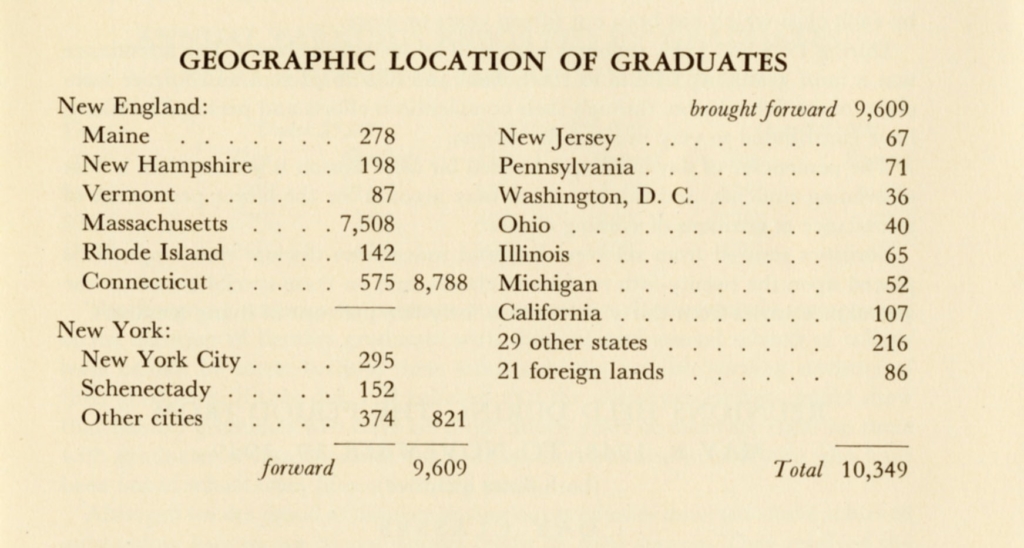
The Alumni Bulletin lists 86 total graduates from “21 foreign lands” among a total of 10,349 graduates.

1950-1959

1955

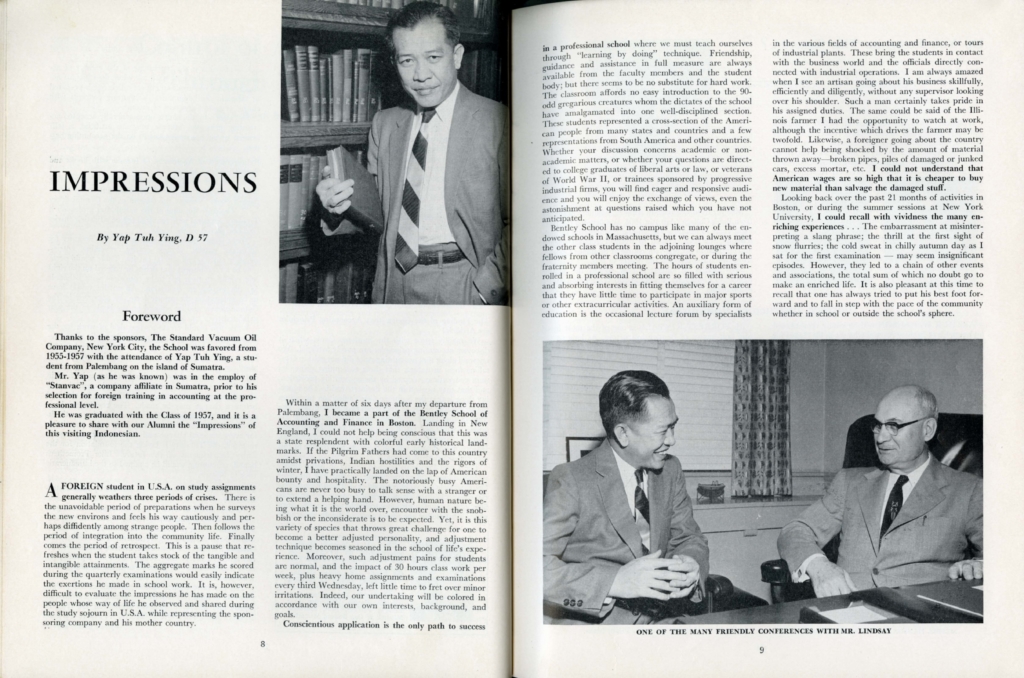
Yap Tuh Ying, a student from Indonesia, enrolls under the sponsorship of the Standard Vacuum Oil Company. He is thought to be one of the first Bentley students born in Asia.
Yap Tuh Ying

1958

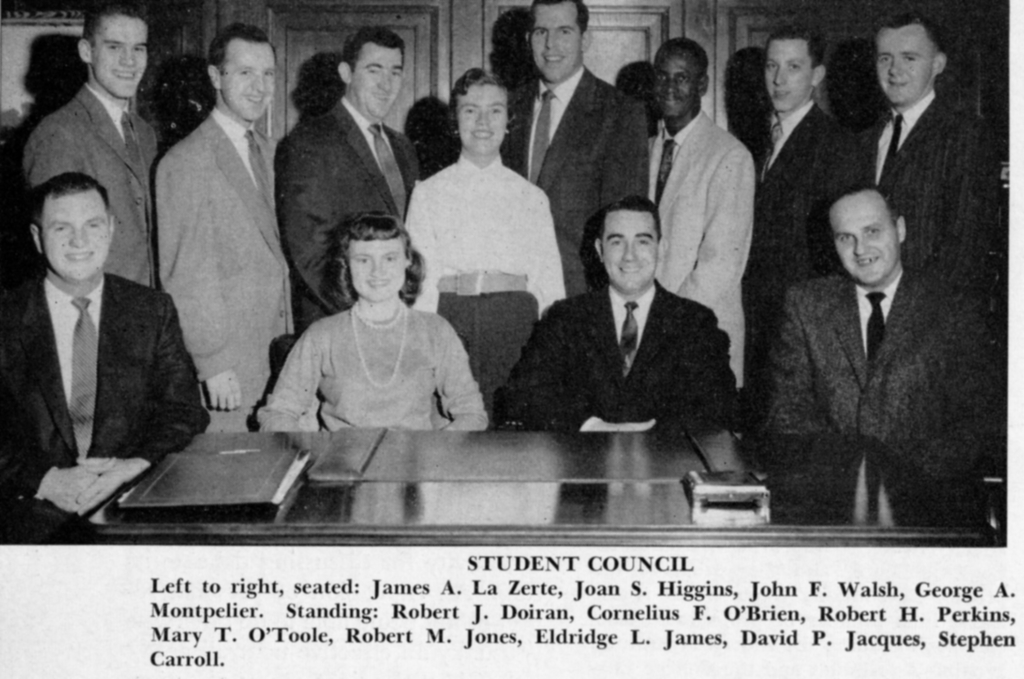
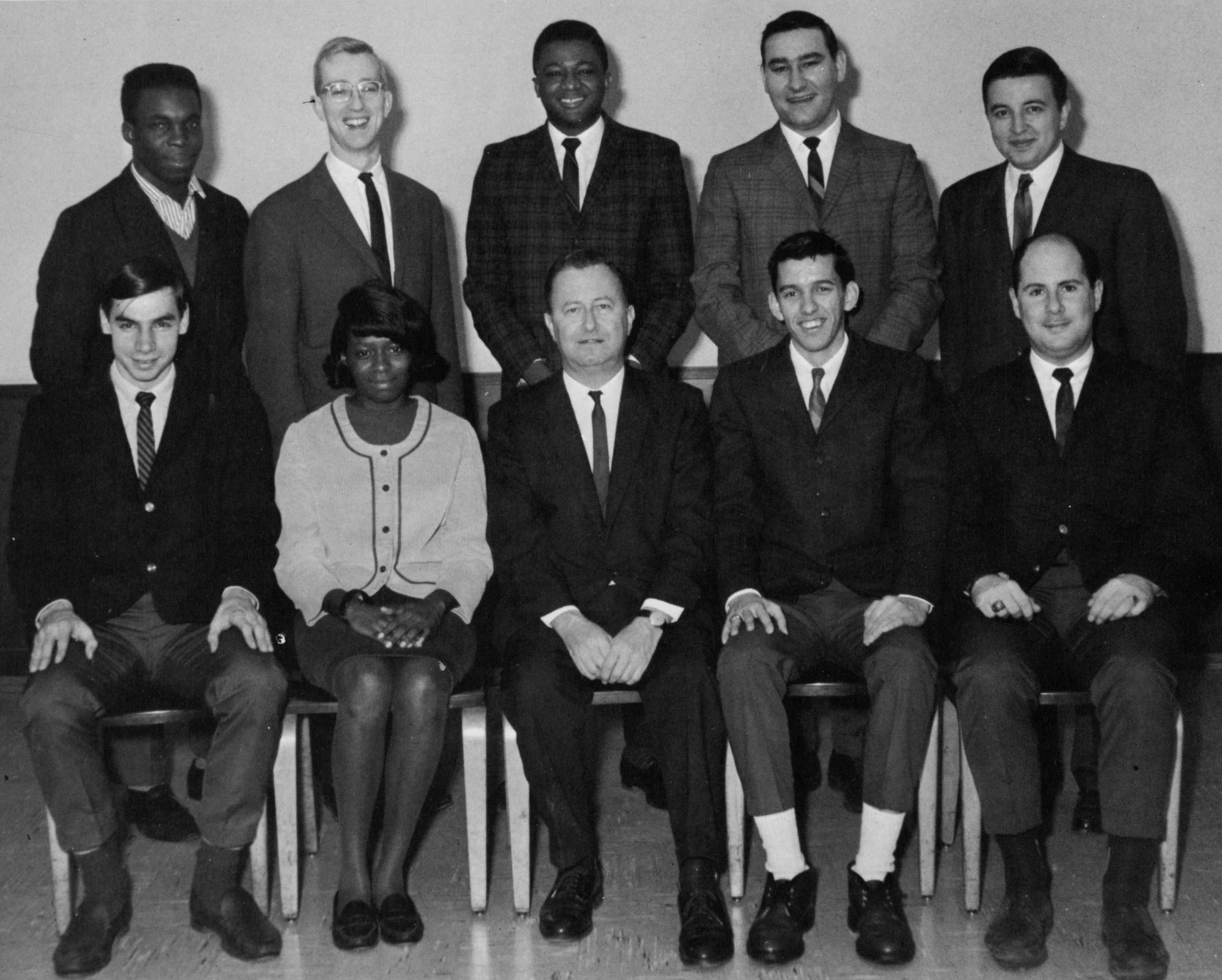
Eldridge L. James student council photo
Eldridge L. James, an African-American student, is a member of the Student Council.

Late 1950S

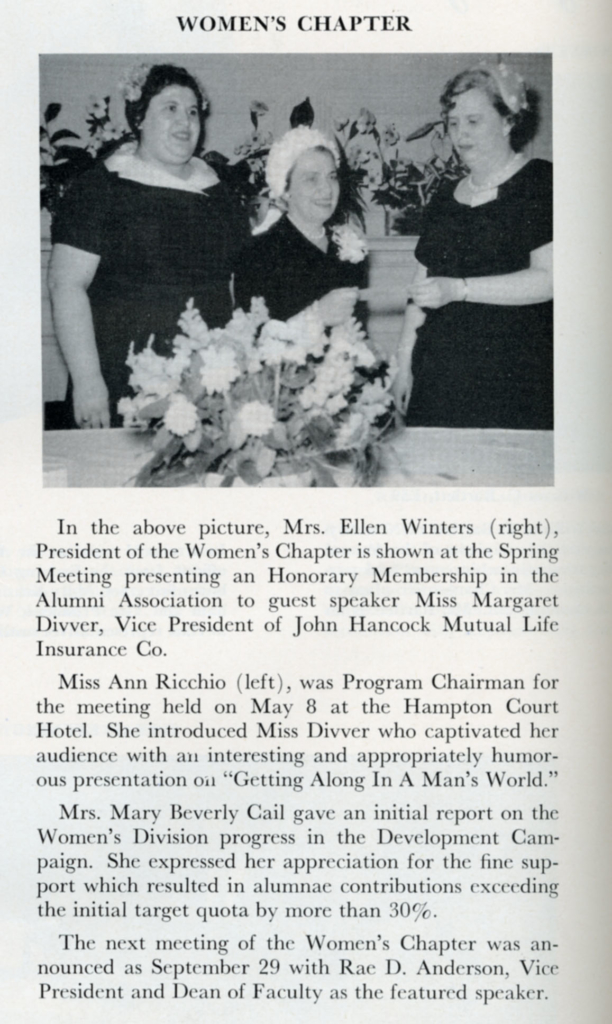
A women’s Alumnae Chapter is formed. It holds regular meetings with speakers to discuss women’s issues in the accounting profession.
Women's Alumnae Chapter meeting

1960-1969

1960

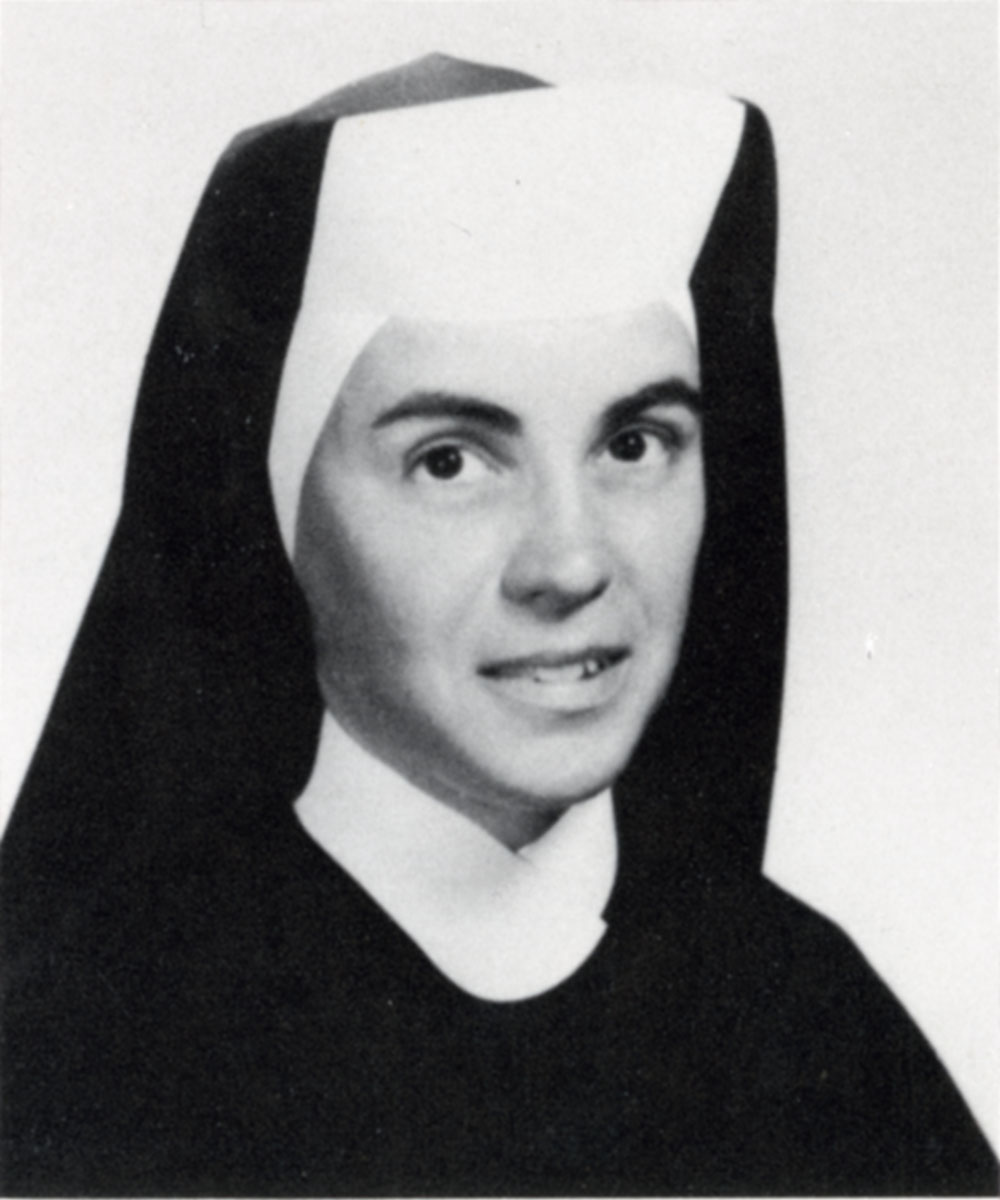
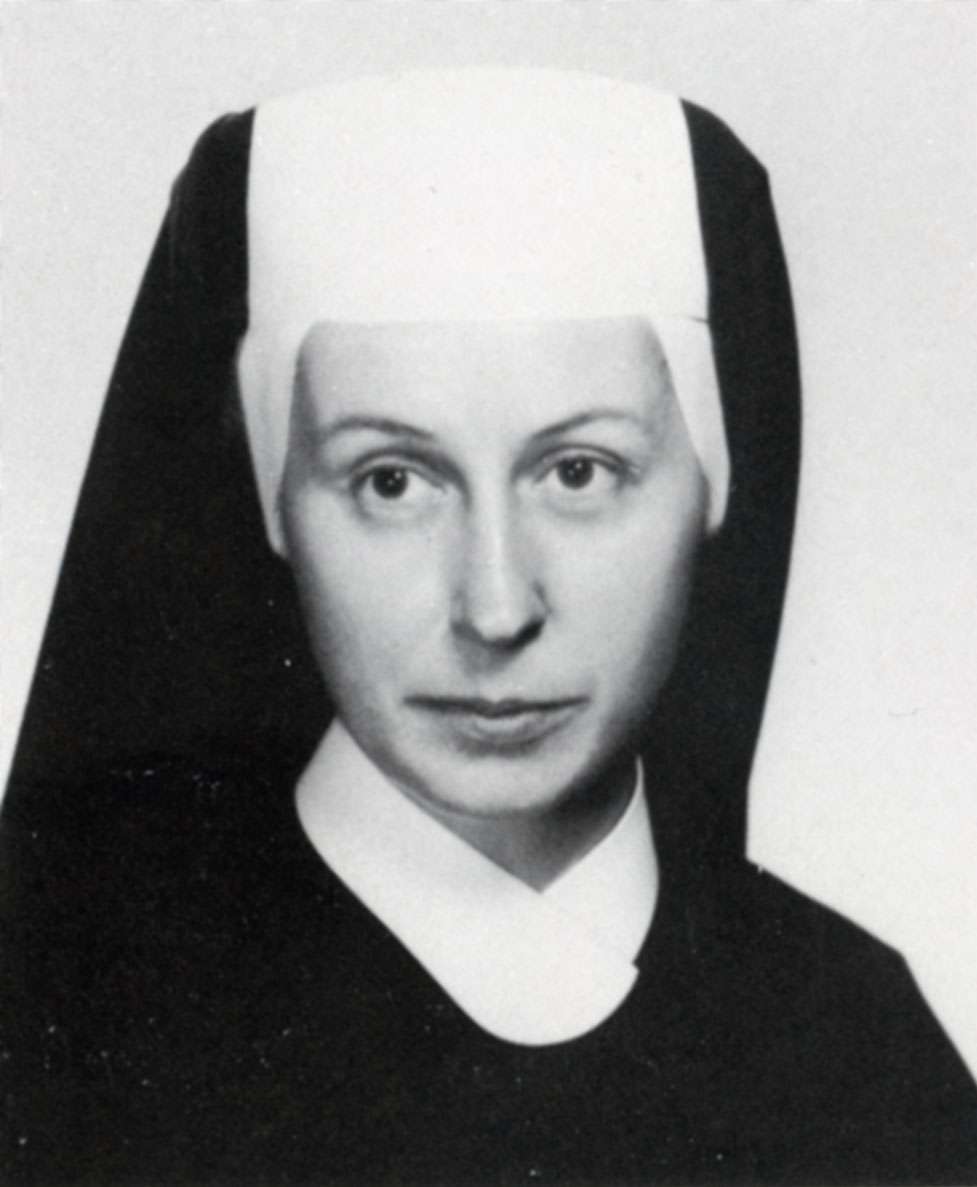
Several nuns, most from the Order of the Sisters of Mercy, attend Bentley to acquire the accounting skills needed to manage their order's hospitals. 


1961

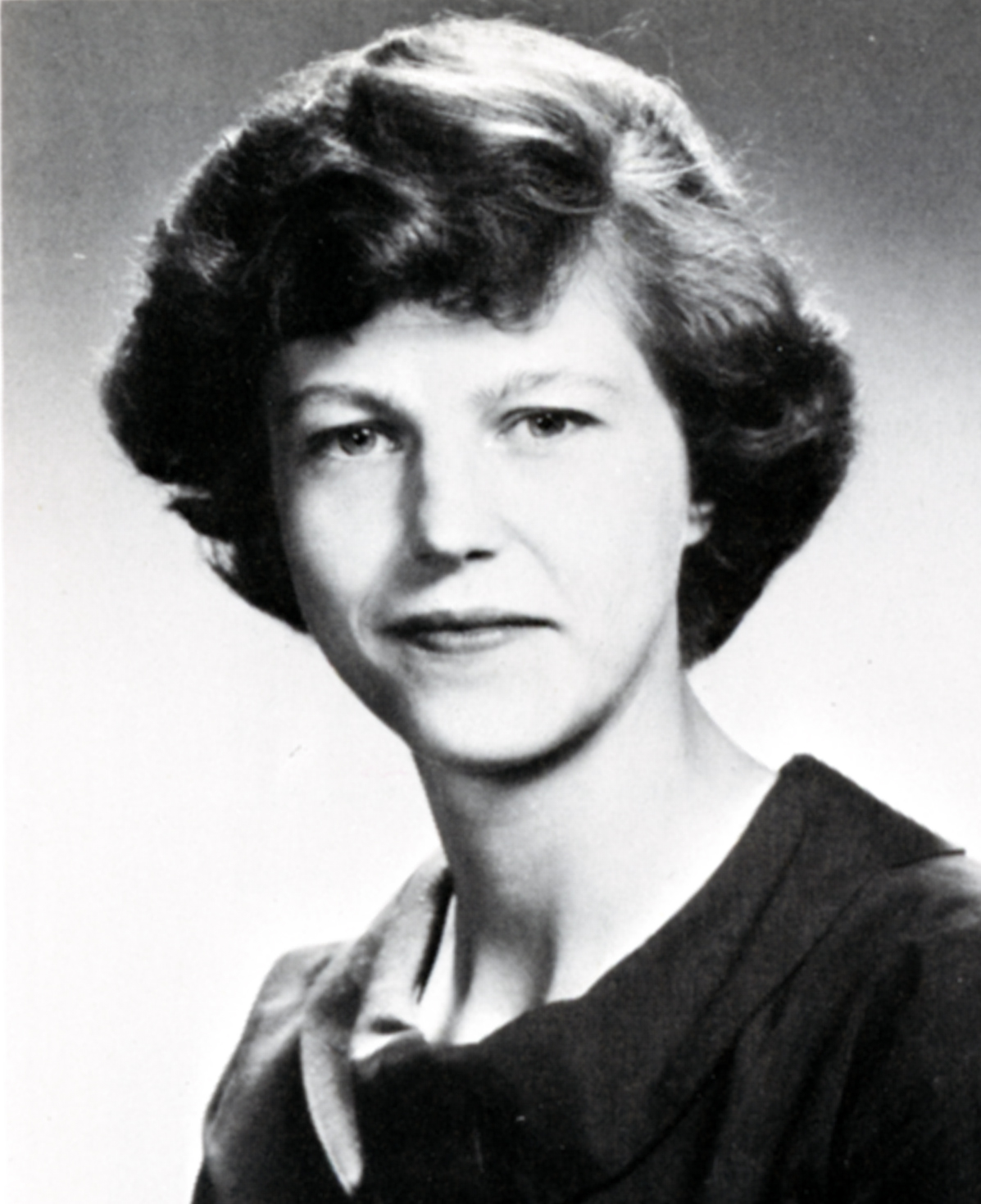
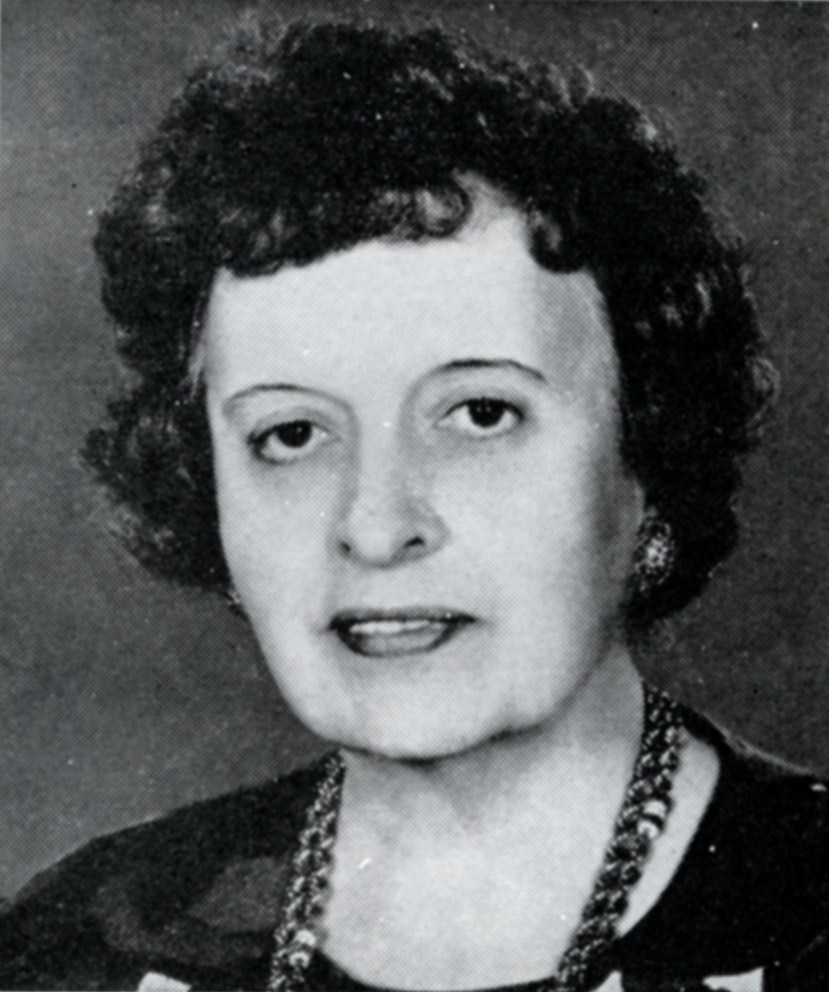
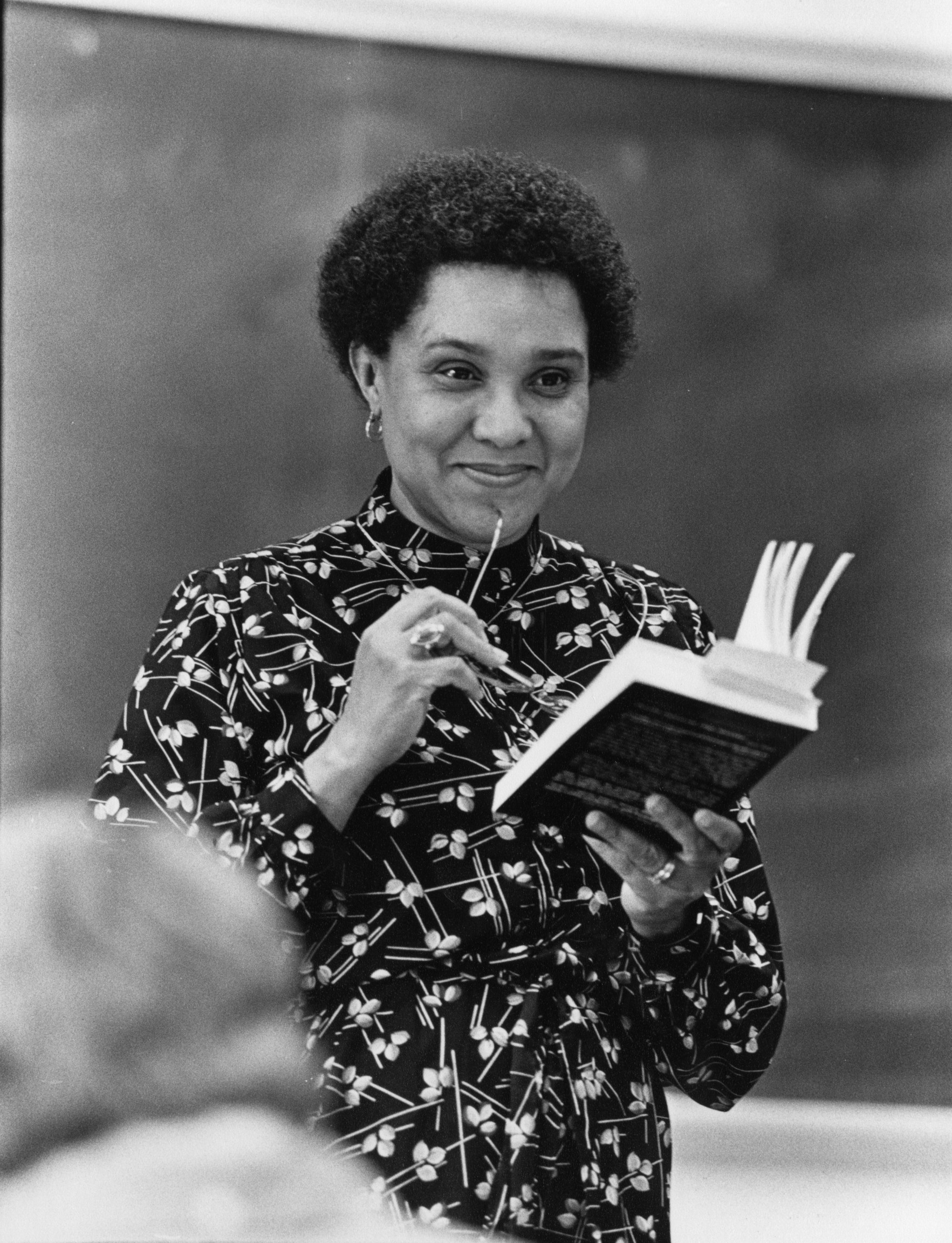
Marion Graham Willis portrait
Marion Graham Willis joins the faculty, and in 1962 becomes Bentley’s first full-time female professor and one of the few women to teach on the Boston campus. In 1974 she becomes the first woman to receive tenure.

1962

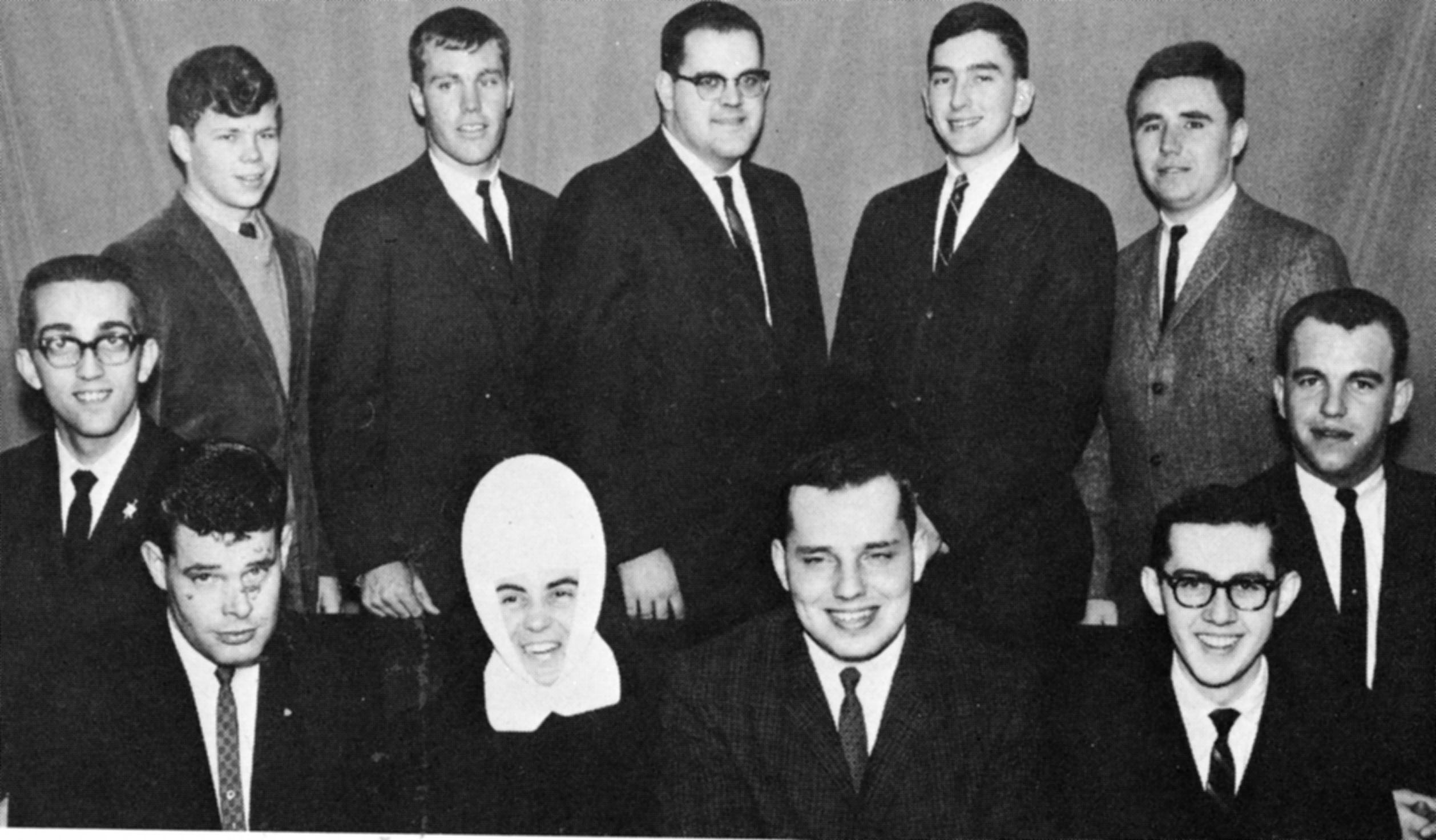
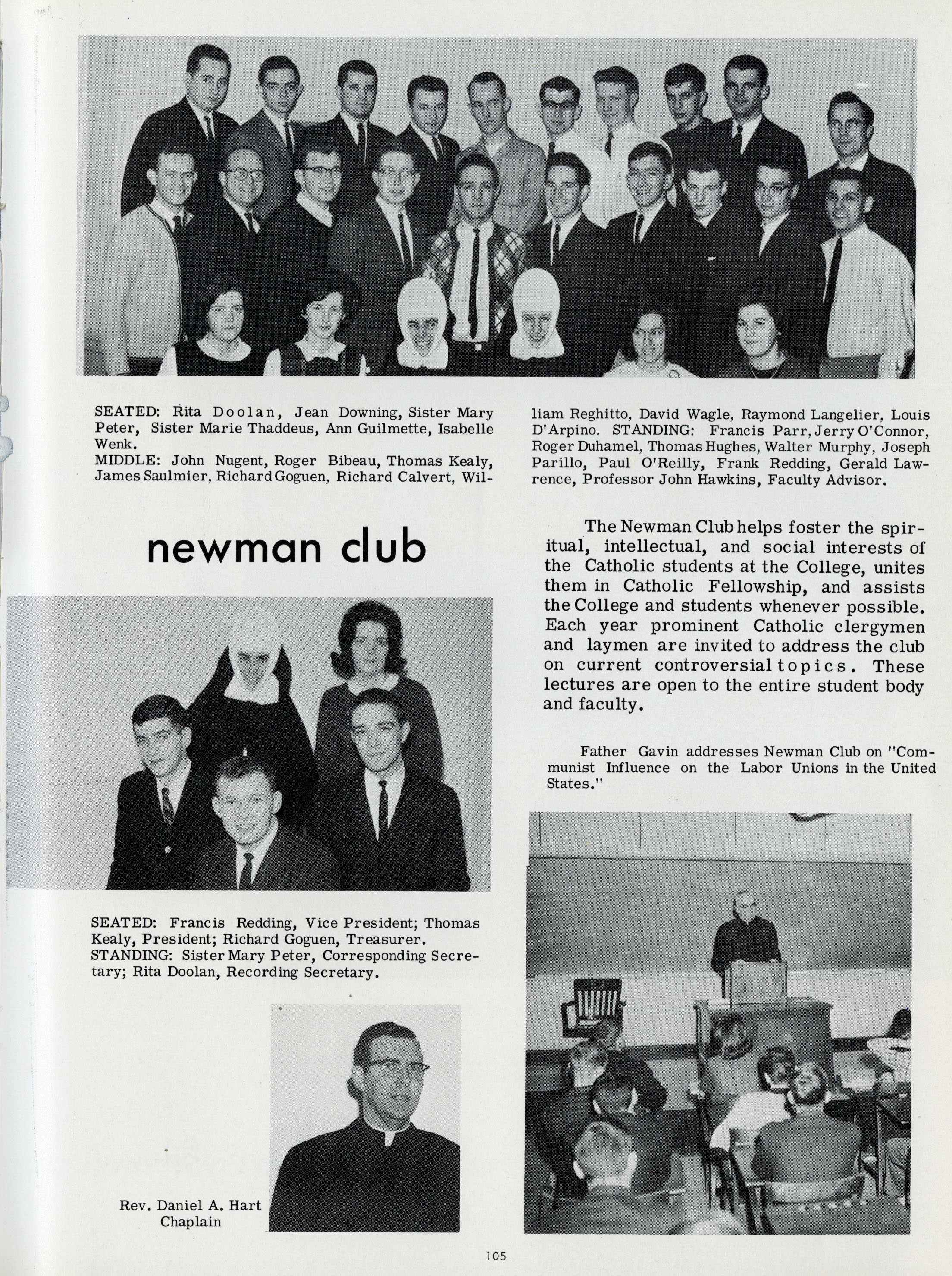
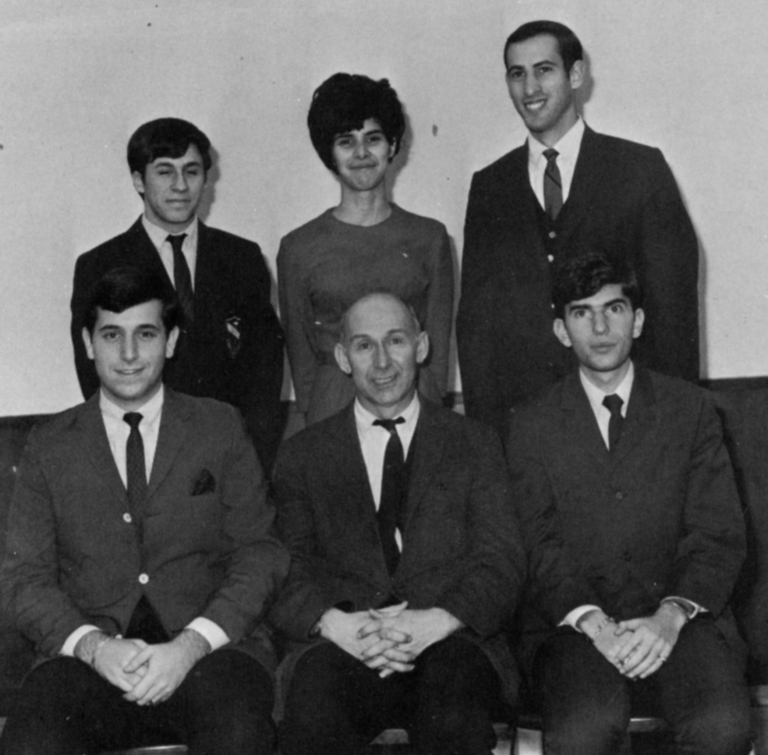
The Newman Club is established to serve the needs of Catholic students.
Newman Club photo

1967

International Relations Club photo
The International Relations Club is formed to foster cross-cultural understanding on campus. Its membership includes several international students.

1968

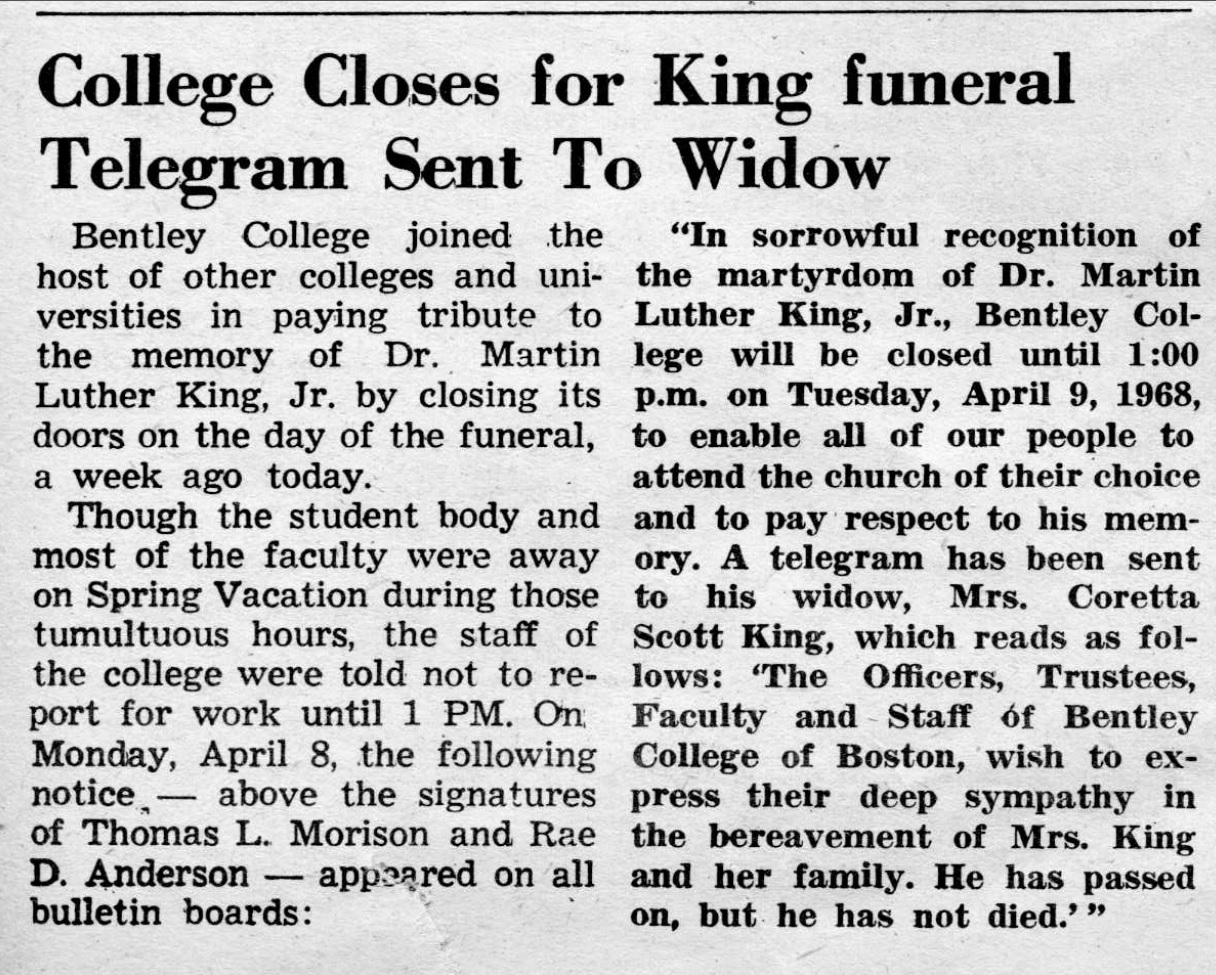
President Thomas L. Morison sends a letter of condolence to Coretta Scott King after the assassination of her husband, Dr. Martin Luther King, Jr.
Telegram sent to Coretta Scott King from Bentley President Thomas L. Morison

1969

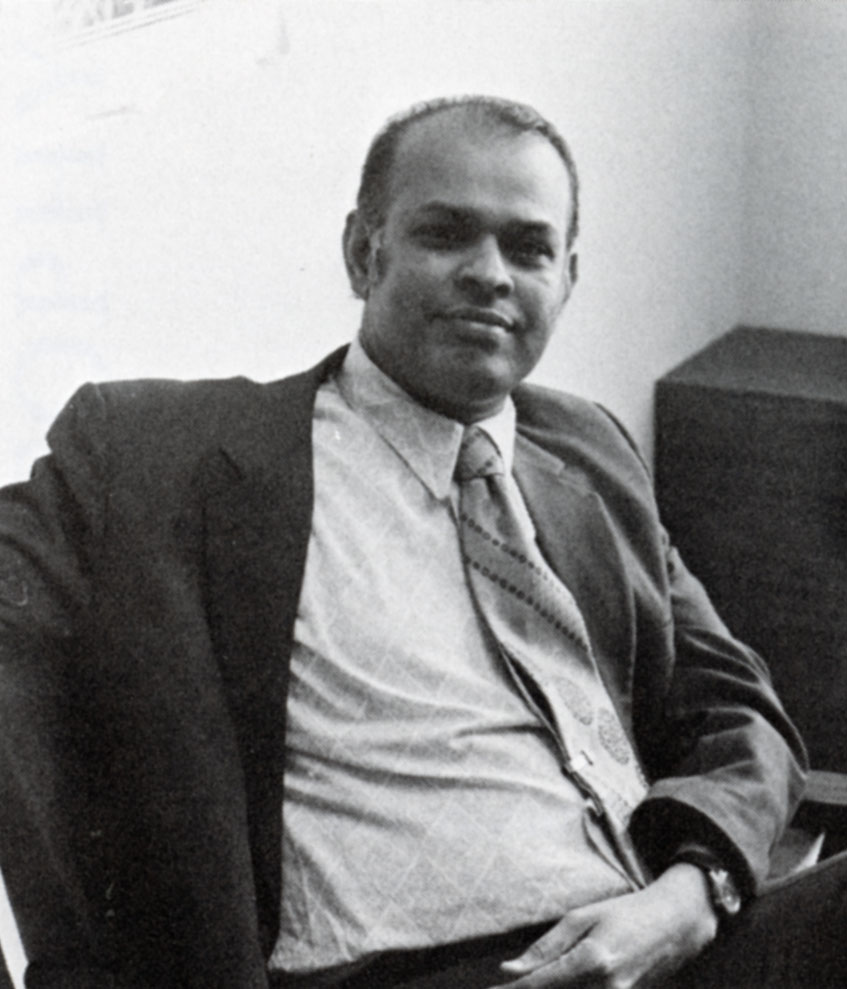
Alint (Raj) Varughese portrait
Alint (Raj) Varughese becomes Bentley’s first professor of color. He is tenured in the early 1970’s.
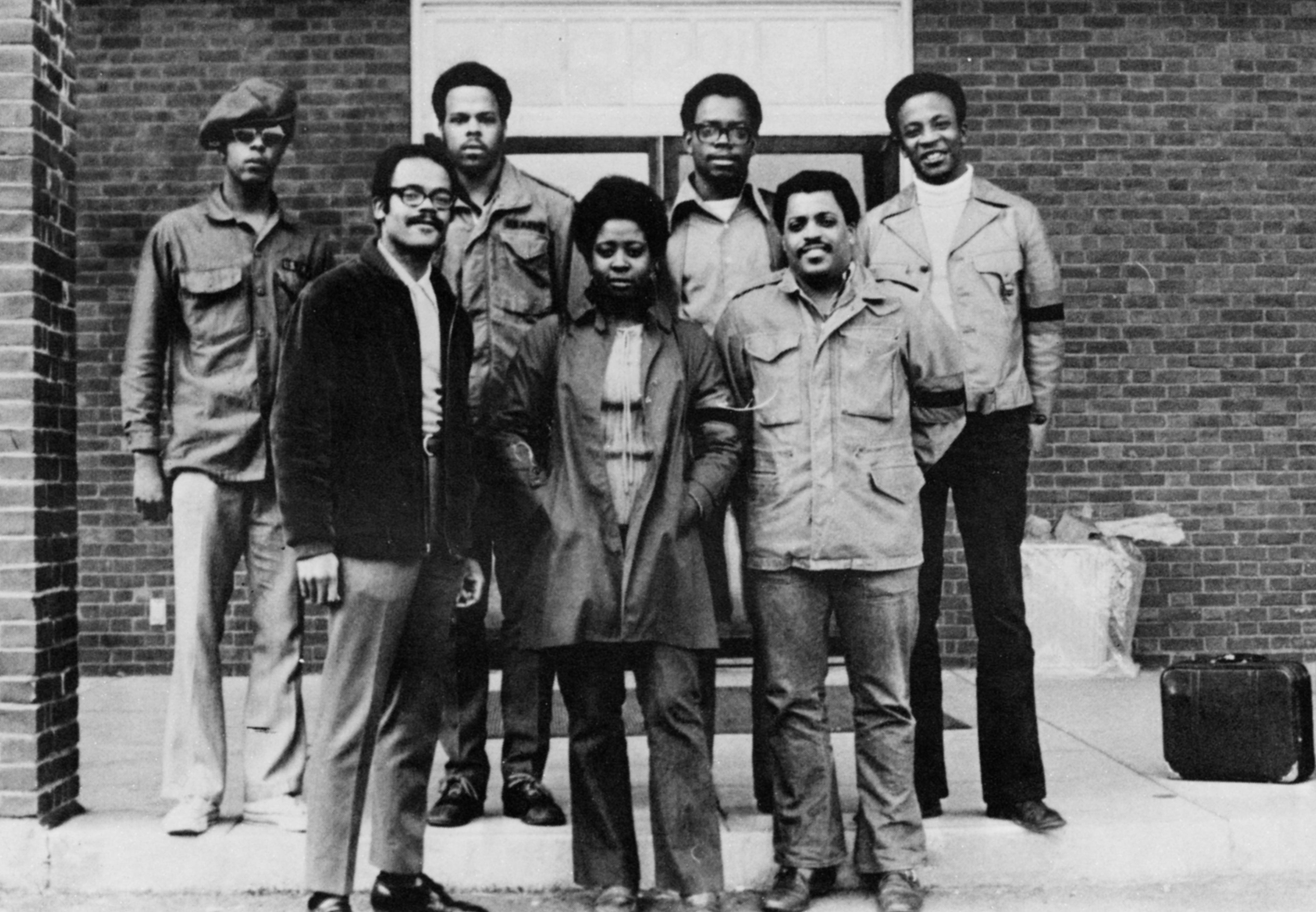
The Black United Body is established, although it initially did not have a name.
Black United Body early group photo

CA. 1969

Religious advisors group photo, ca. 1969
Bentley retains several religious advisors to support the spiritual needs of students on the new Waltham campus.

1970-1979

The Bentley Women’s Caucus forms to hold meetings, lectures, and events concerning women’s rights.
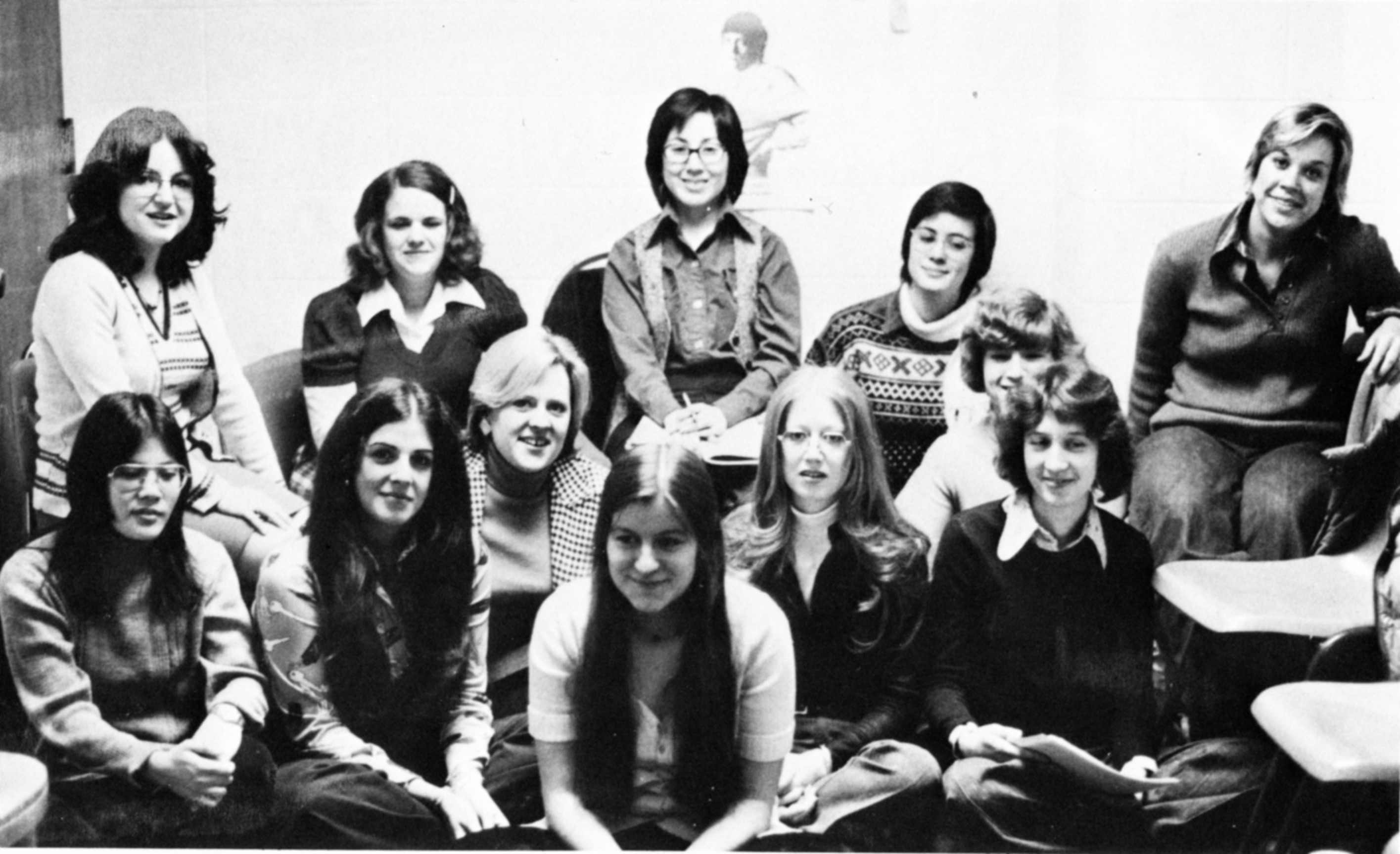
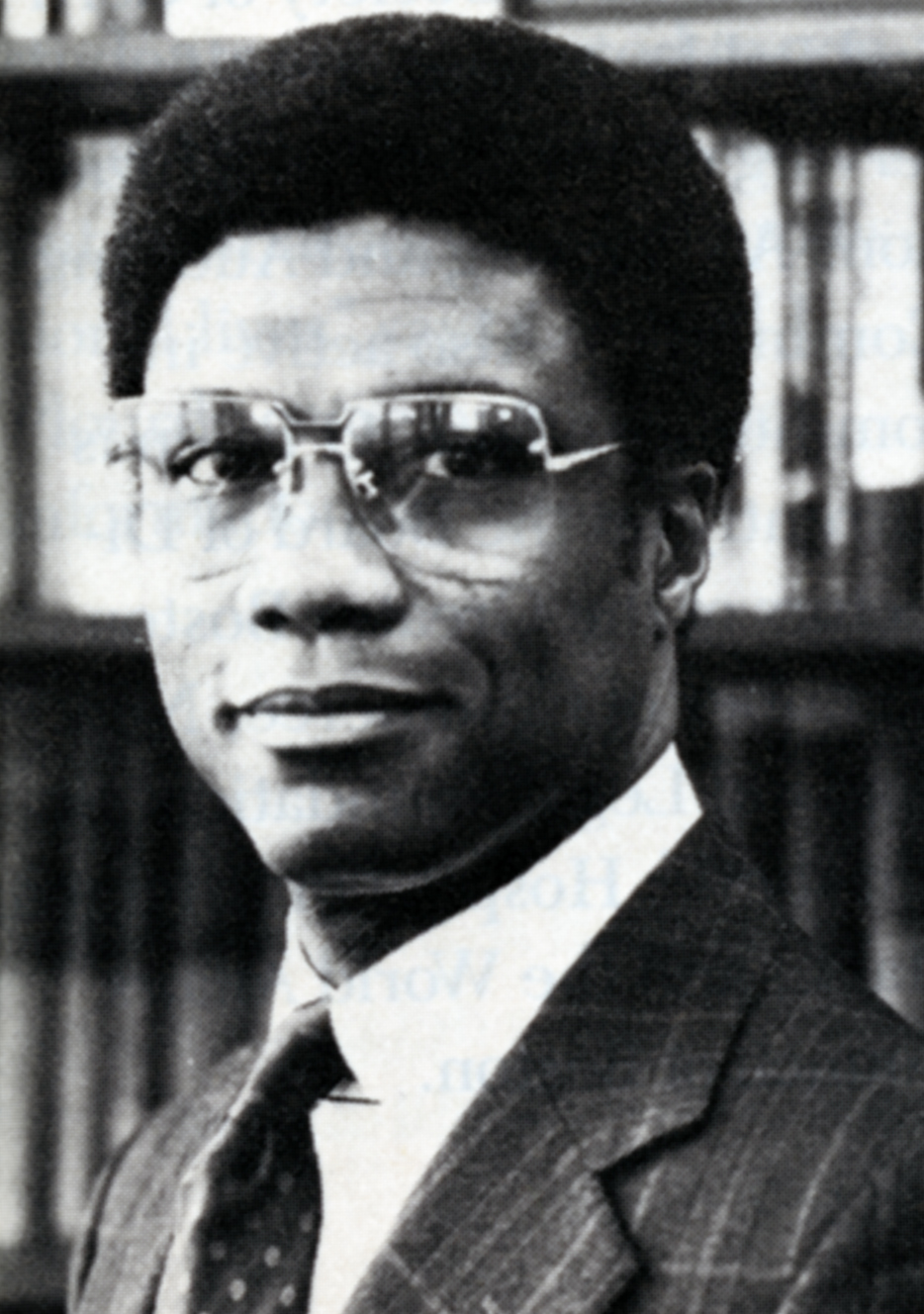
1970

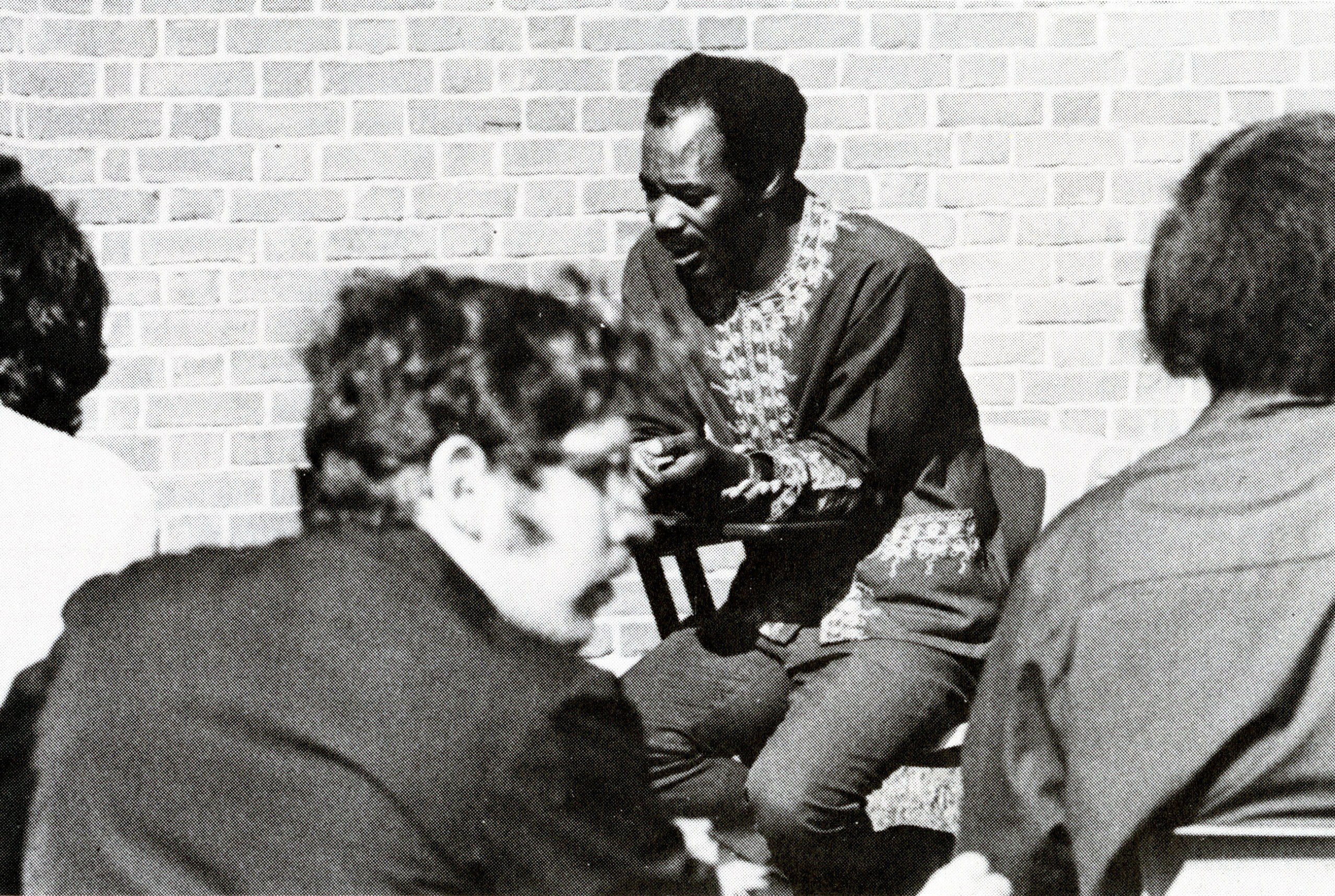
Olanrewaju J. Fapohunda portrait
Olanrewaju J. Fapohunda, originally from Nigeria, becomes Bentley’s first black professor.

1971

Dorothy Willard becomes the first female member of the Board of Trustees.
Dorothy Willard portrait

1974

The first planning meeting is held for Hillel, the Jewish Students’ Organization. As early as 1967, a precursor organization called “Menorah” was mentioned in school literature.
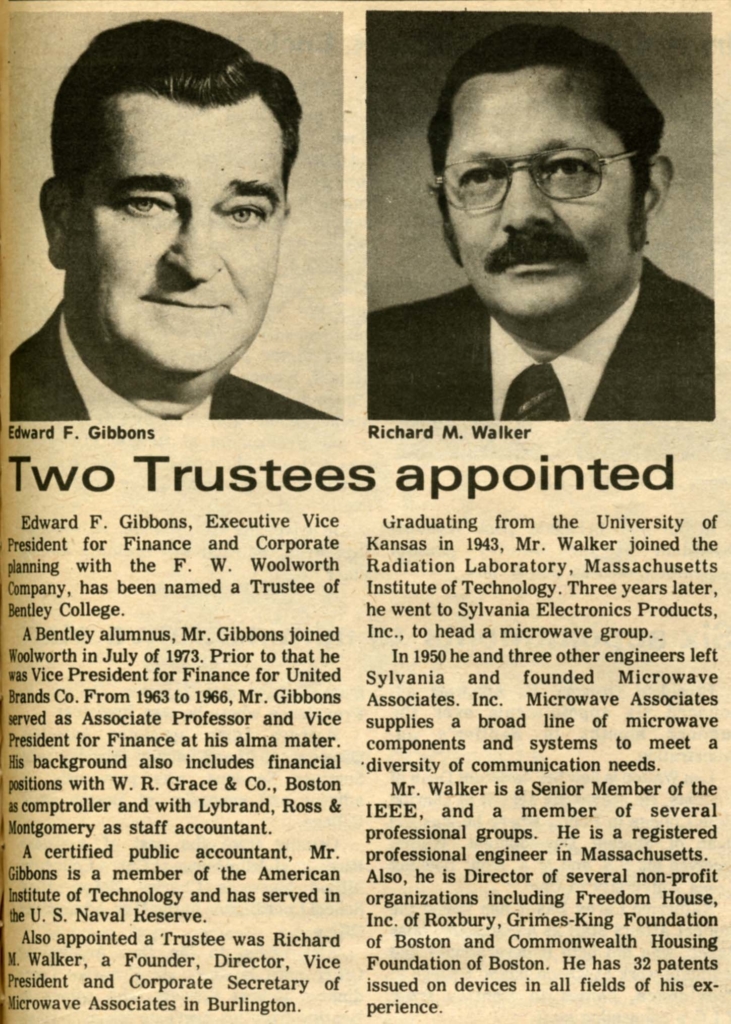
Richard Walker portrait
Richard Walker becomes the first African-American member of the Board of Trustees.

1974-75

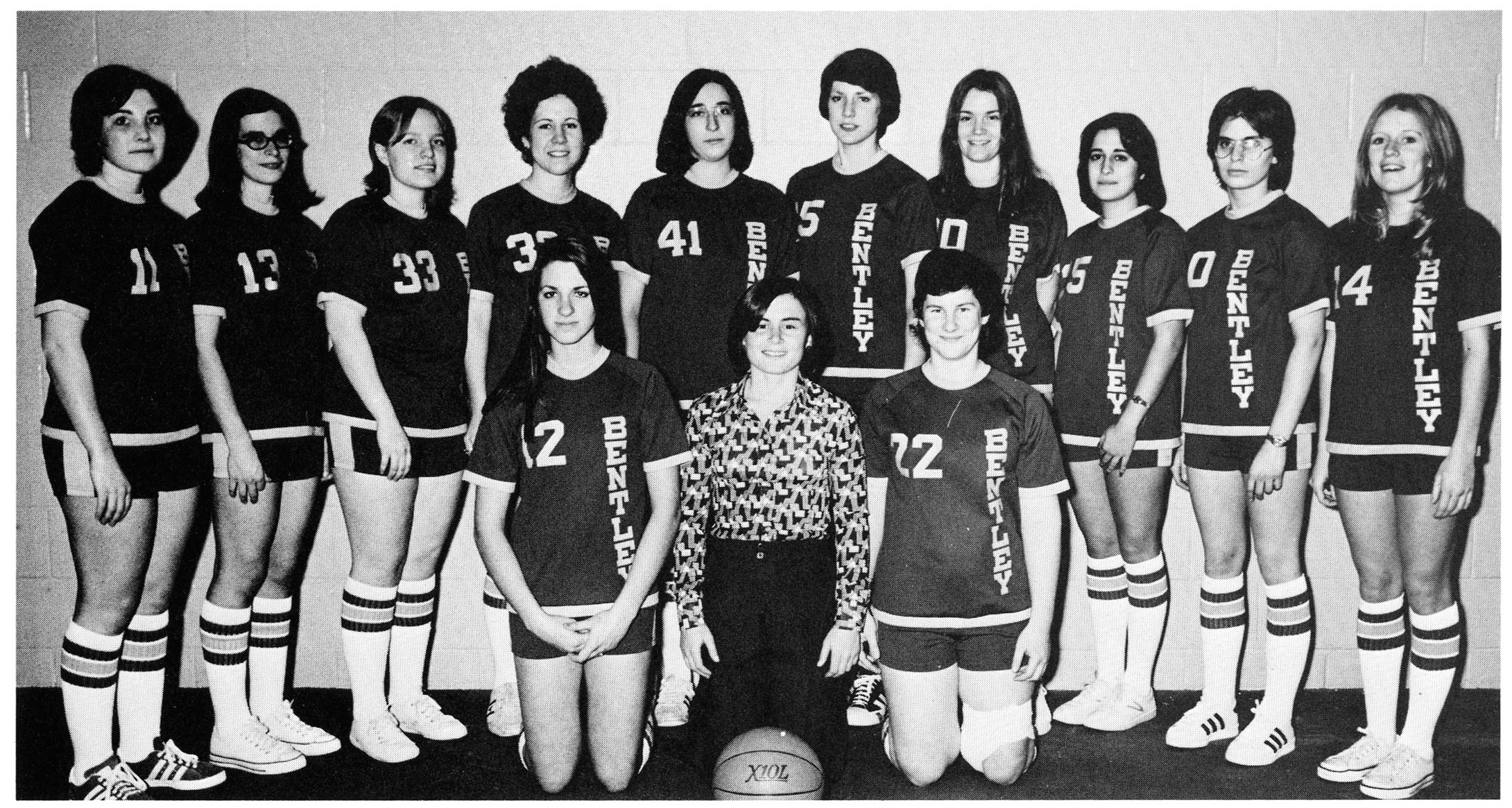
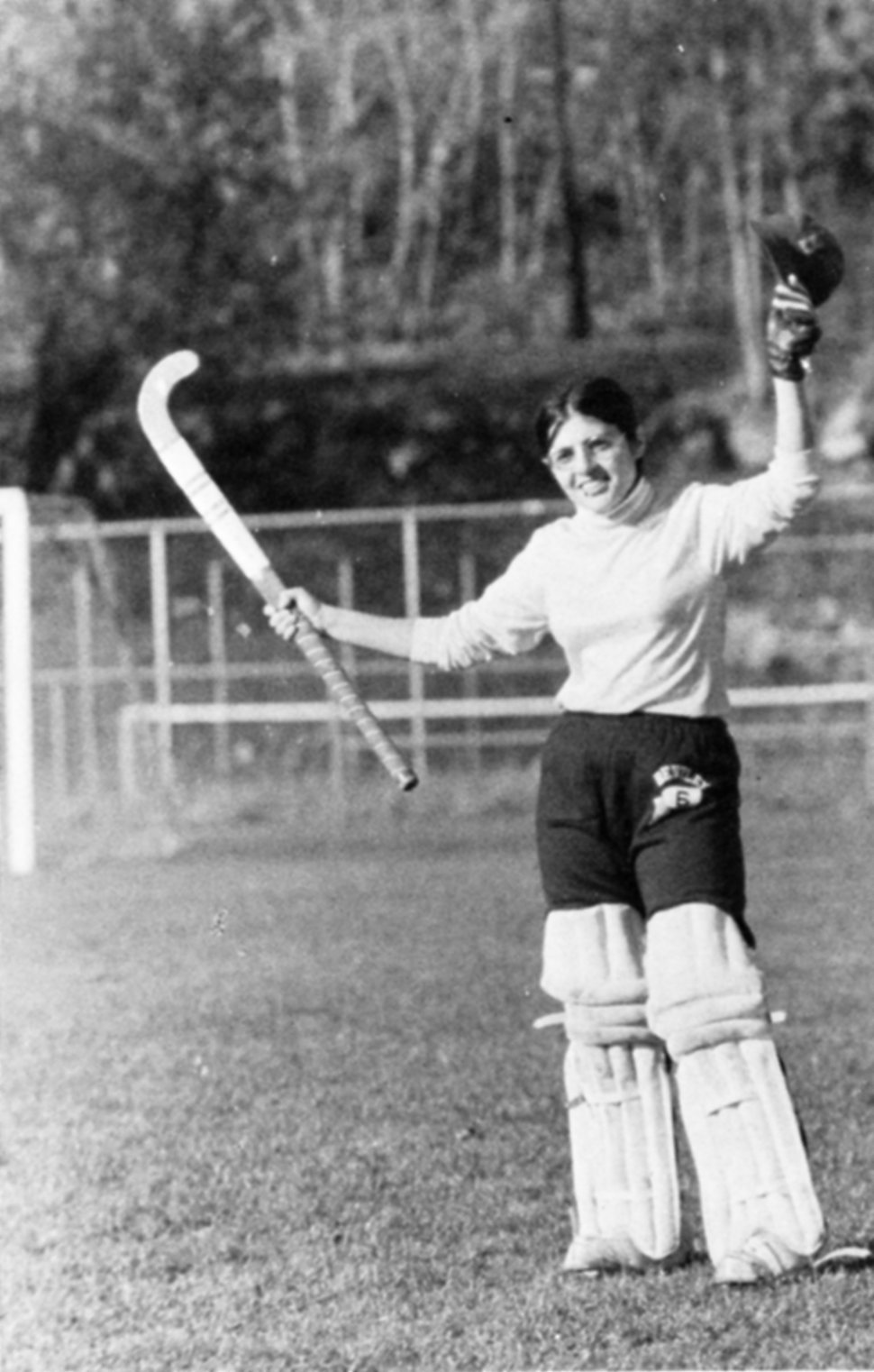
The construction of the Dana Center results in the formation of the first female sports teams. By 1975 women have formed teams for field hockey, basketball, tennis, and softball. Over 25% of the female student population belonged to one of these fledgling teams.
1977
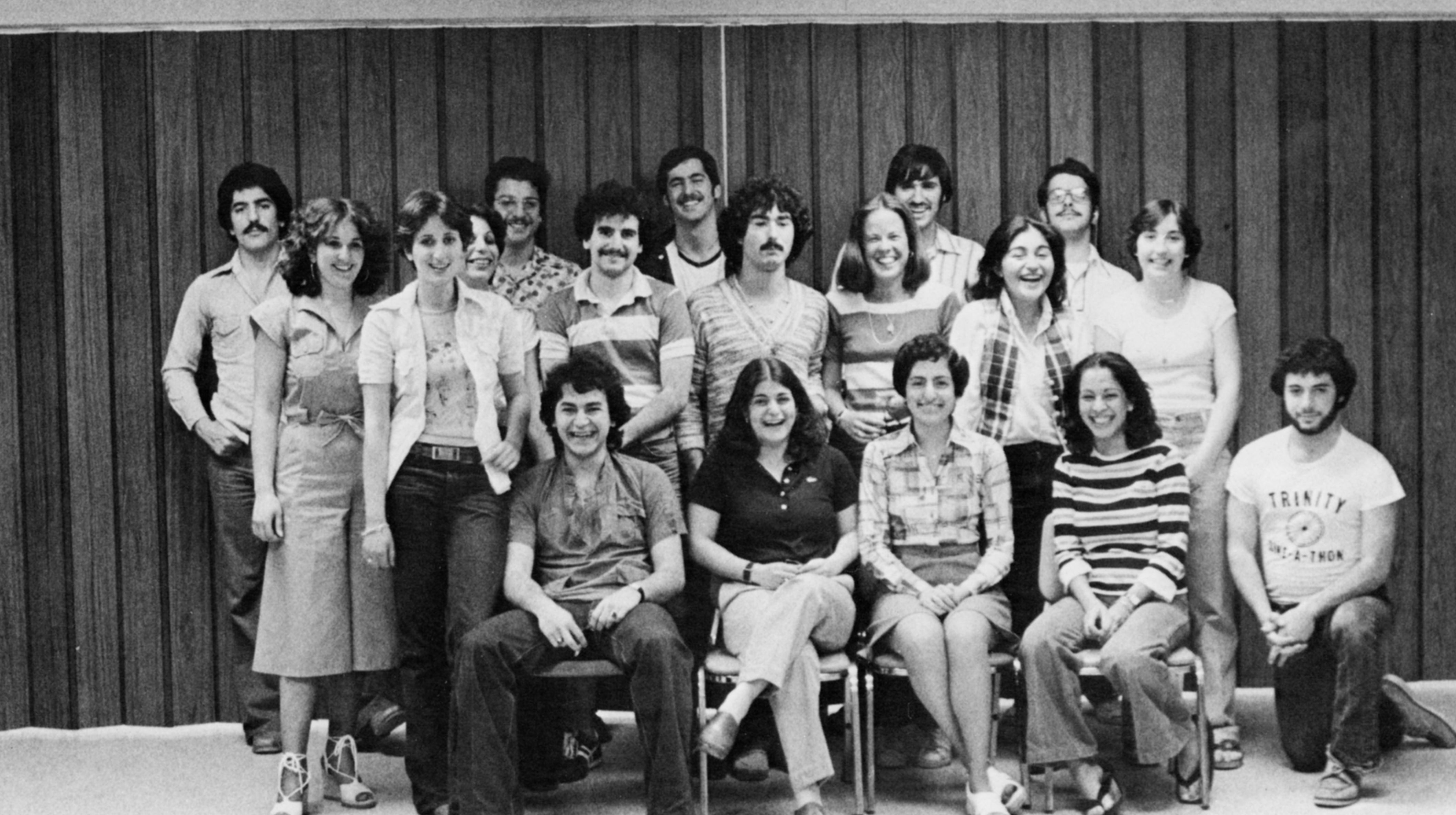
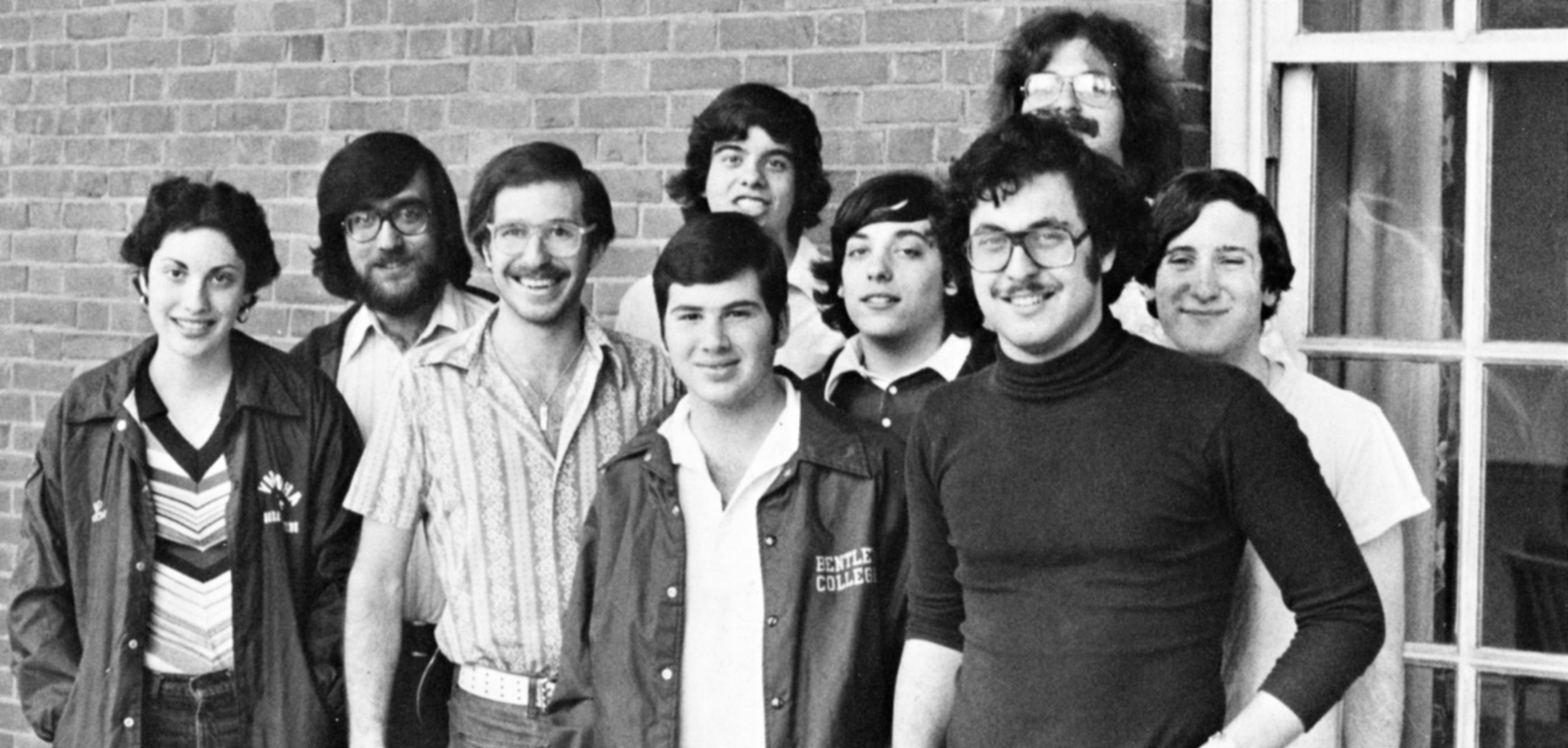
Students form the Armenian Club, due in part to President Adamian’s role in local Armenian culture.
Armenian Club group photo, 1977

1980-1989

1982

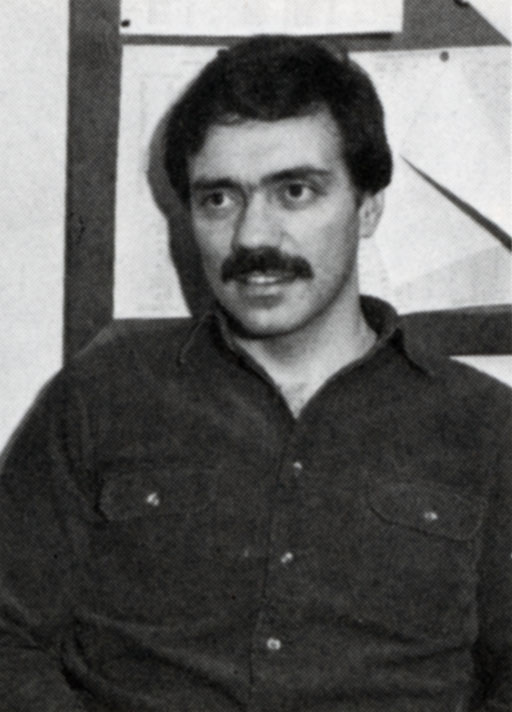
John Lesko portrait, 1982
John Lesko responds to students who wrote anti-gay “satire” in the student newspaper, and becomes the first openly gay faculty member.

1983

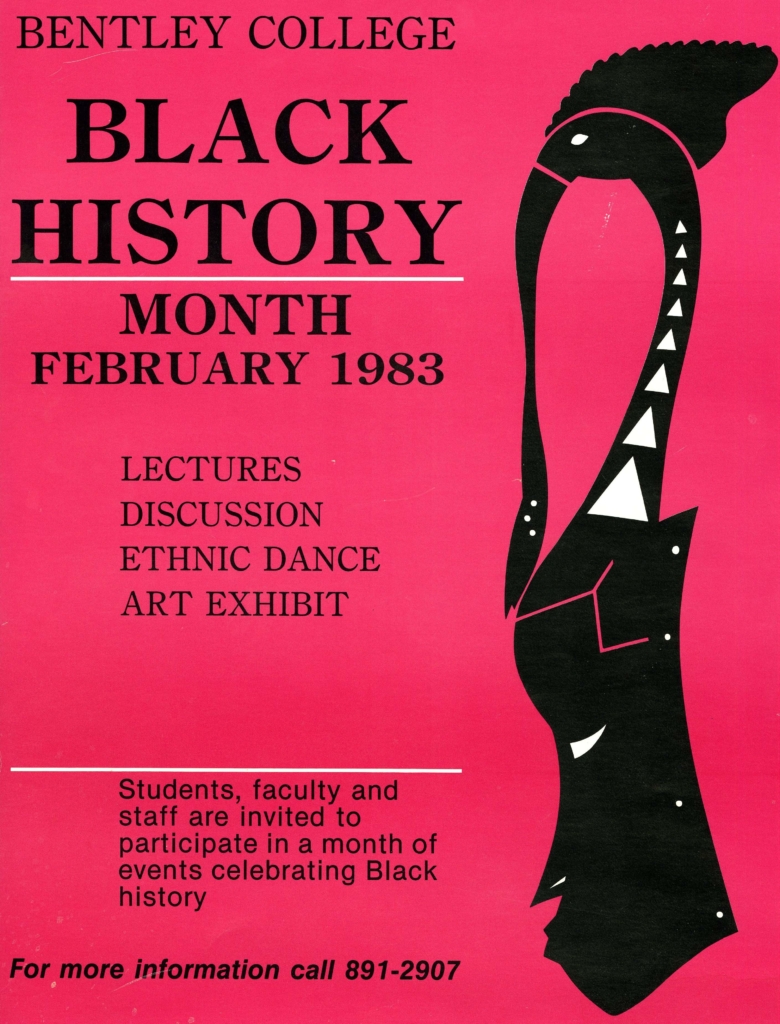
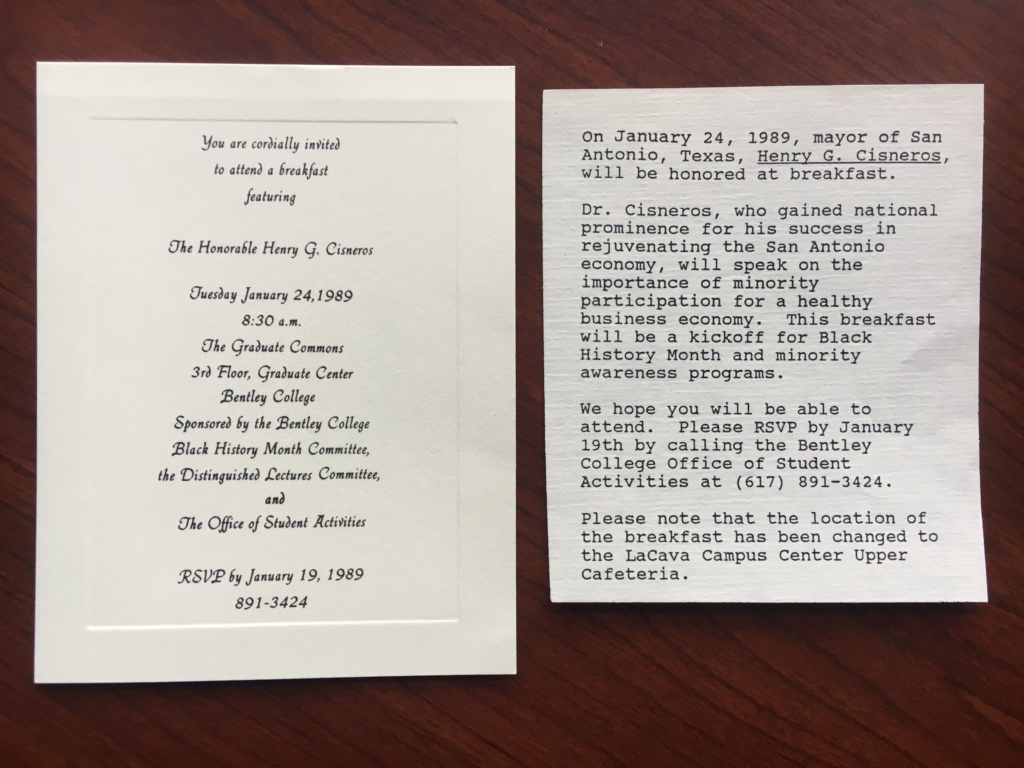
Bentley organizes its first formal slate of activities in honor of Black History Month.
1983 MLK Breakfast event photo

1984

Dr. Barbara Paul-Emile portrait, 1984
Dr. Barbara Paul-Emile, who joined the faculty in 1980, becomes the first African-American professor to receive tenure.

1985

Dr. T.H. (Tony) Bonaparte becomes Bentley’s first black Vice President and the first academic VP to hold the title of provost.
Dr. T.H. (Tony) Bonaparte portrait, 1985

1986

First MLK Day celebration invitation, 1986
Bentley’s first celebration of Martin Luther King, Jr. Day.

1989

The BGLA (Bentley Gay Lesbian Alliance) is officially recognized by the Student Government Association.

1990-1999
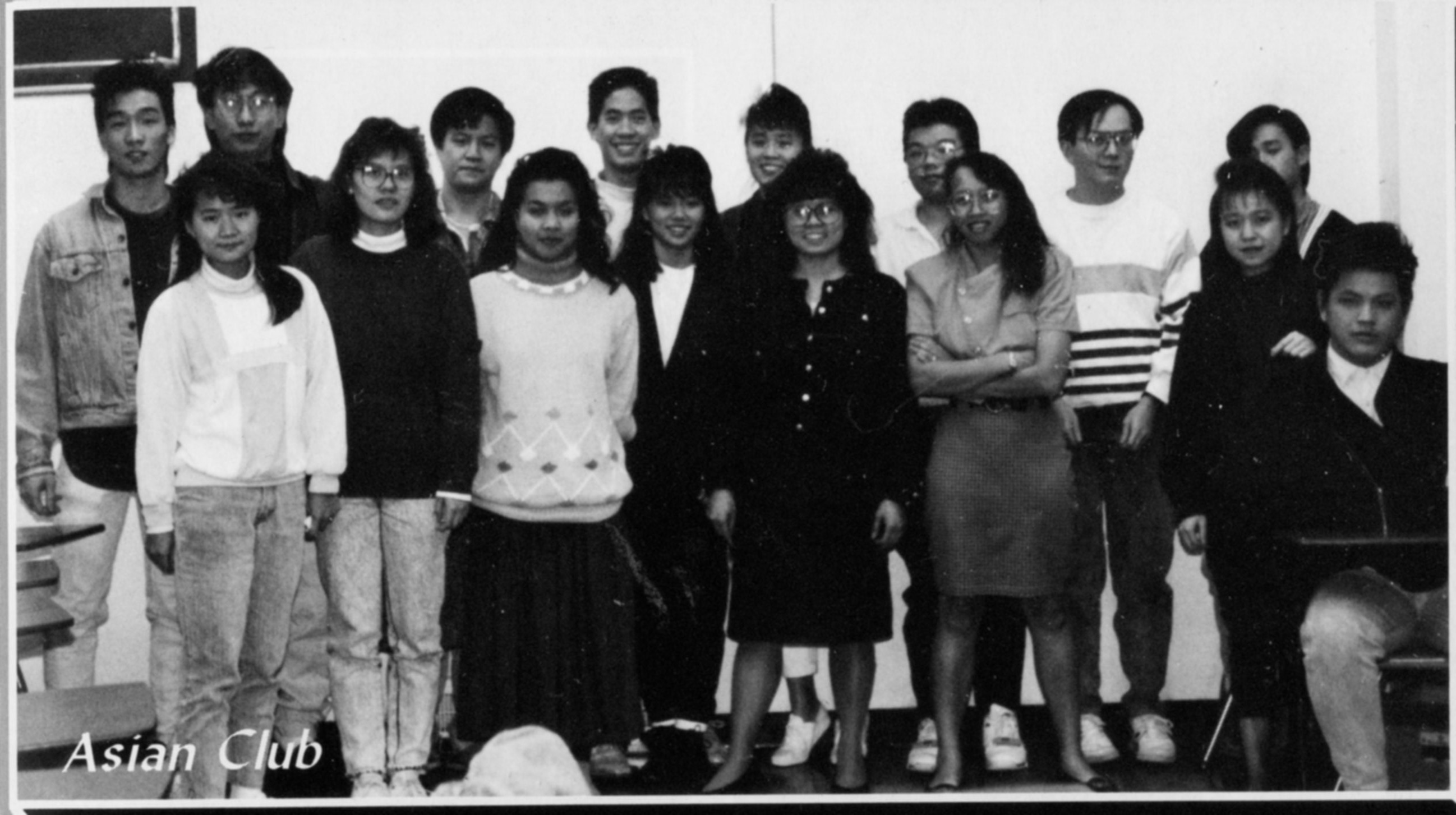
CA. 1990

Bentley Asian Students Association group photo, ca. 1990
The Bentley Asian Students Association forms.
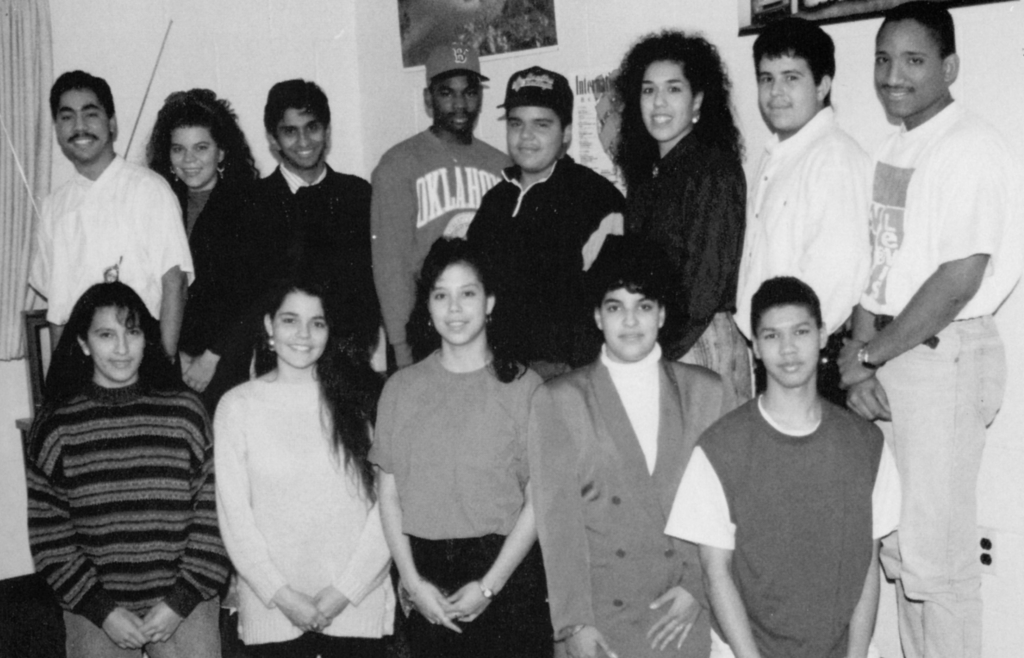
La Cultura Latina forms
La Cultura Latina group photo

1991

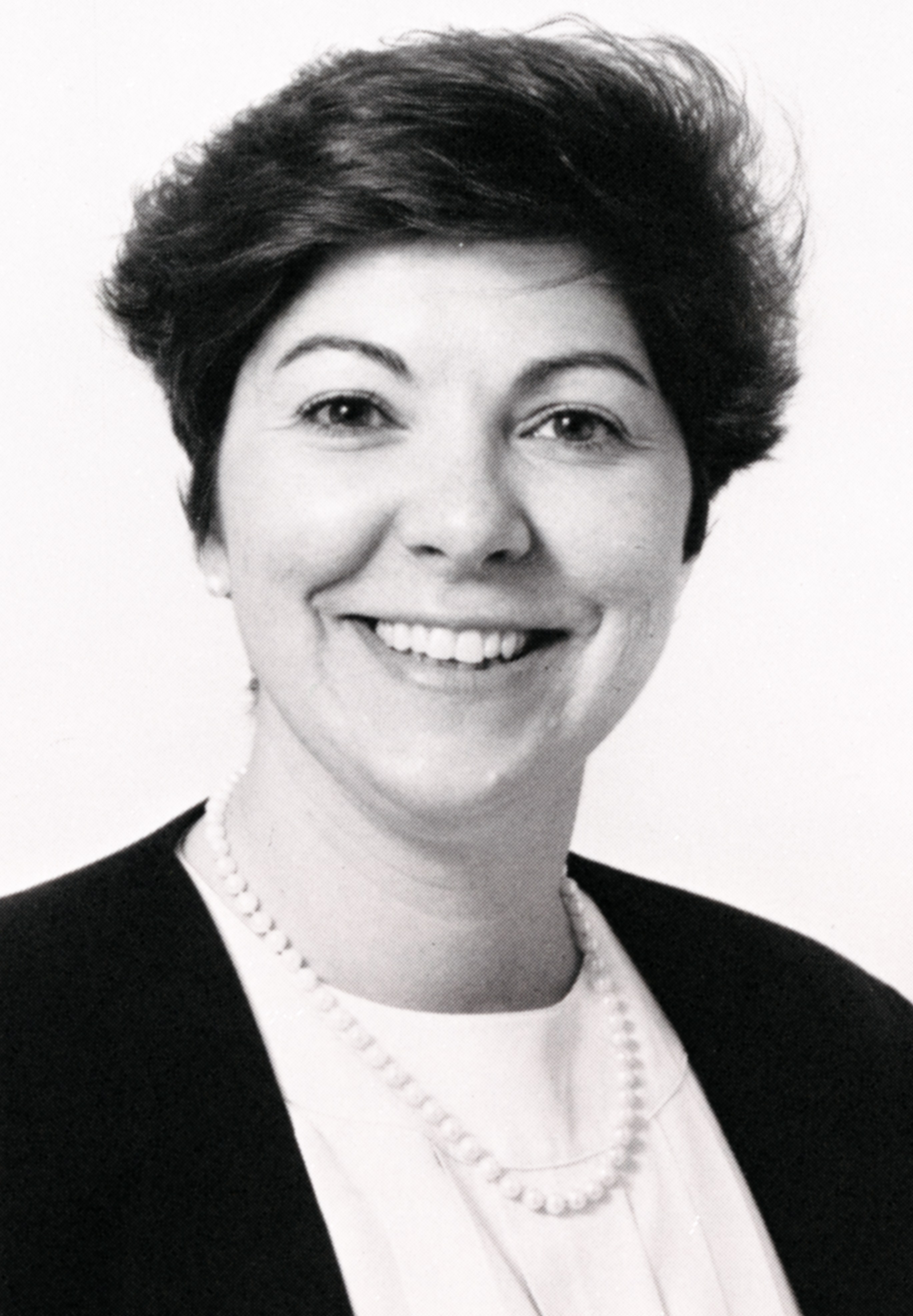
Susan Schwab becomes Bentley’s first female vice president.
Susan Schwab portrait

1992

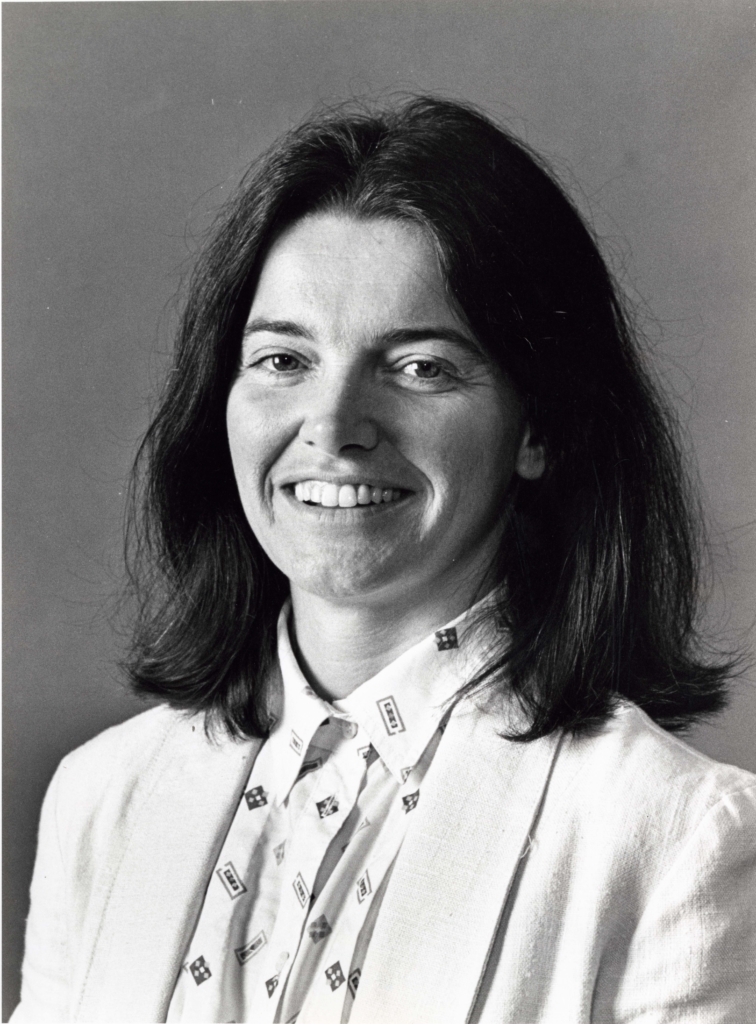
Dr. Patricia Flynn portrait, 1992
Dr. Patricia Flynn becomes dean of the Graduate School. She is Bentley’s first female academic dean and was one of only a handful of female business deans in the nation.

1993

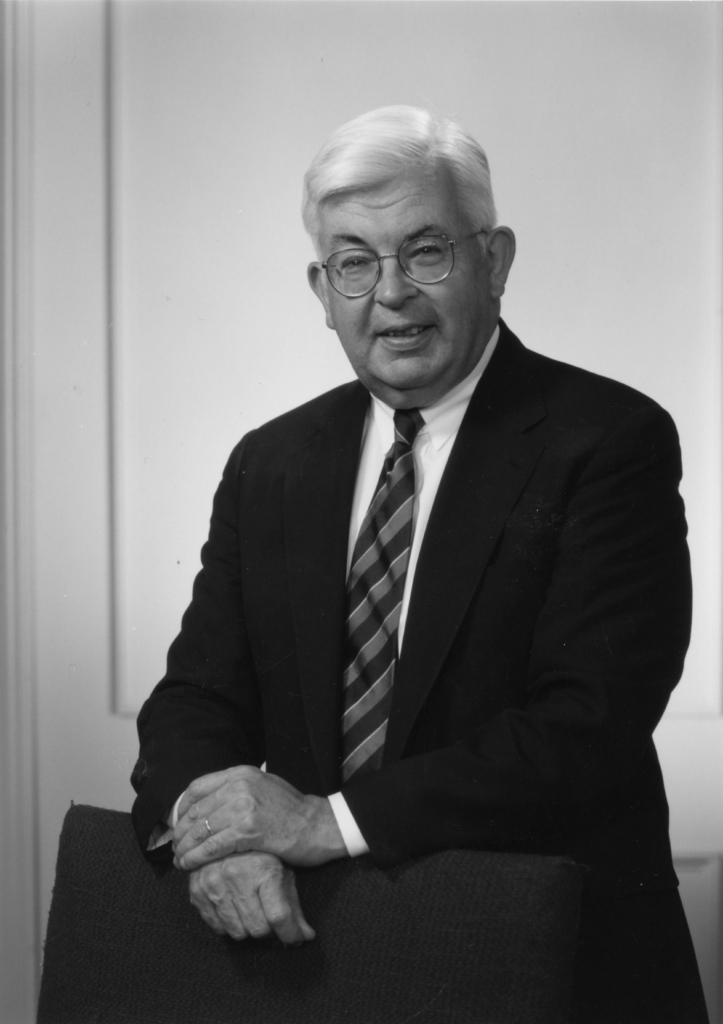
President Joseph M. Cronin commissions a task force led by Earl Avery to study campus diversity. The task force initially focuses on race, nationality and gender, and later adds sexual orientation.
President Joseph M. Cronin portrait, 1993
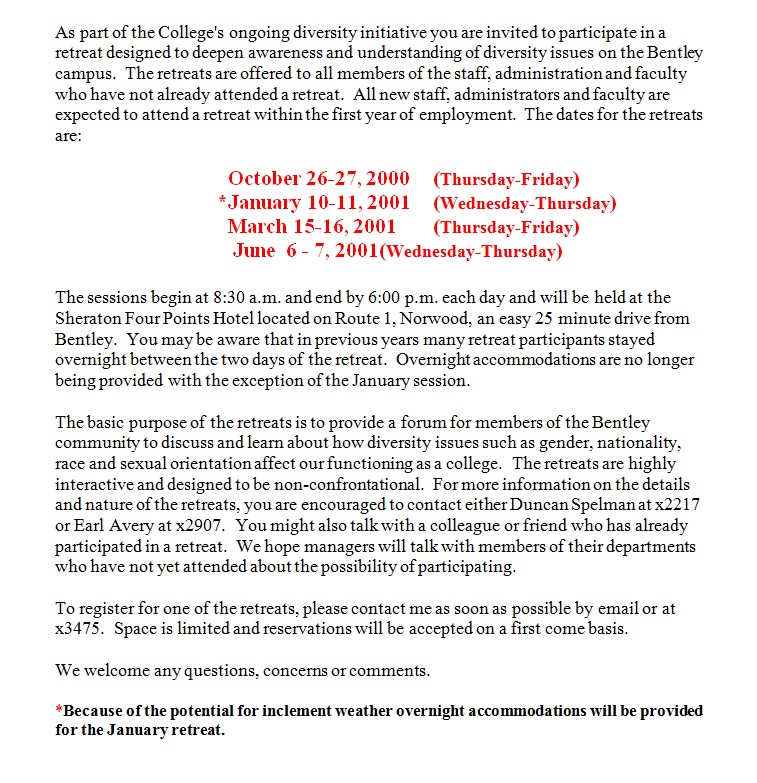
Early Diversity Retreat group photo
The first off-campus Diversity Retreats for faculty and staff are held under the direction of the Diversity Task Force.

1994

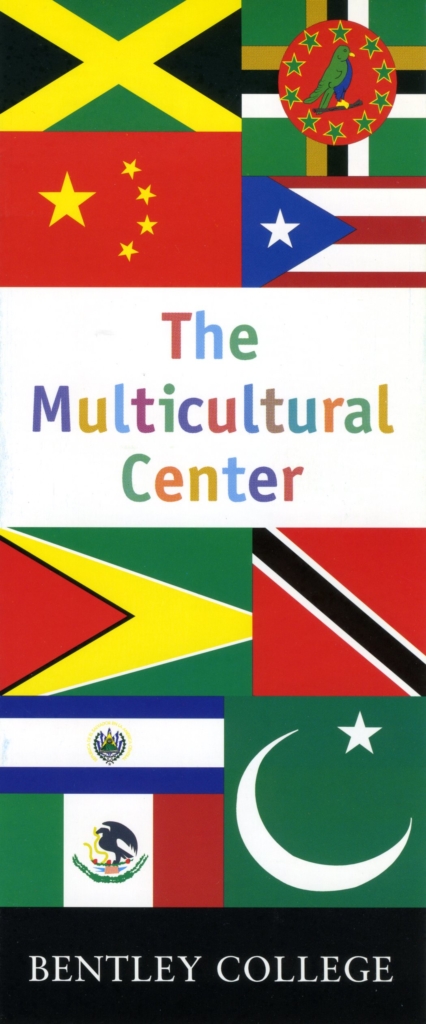
The Multicultural Center is established on campus.
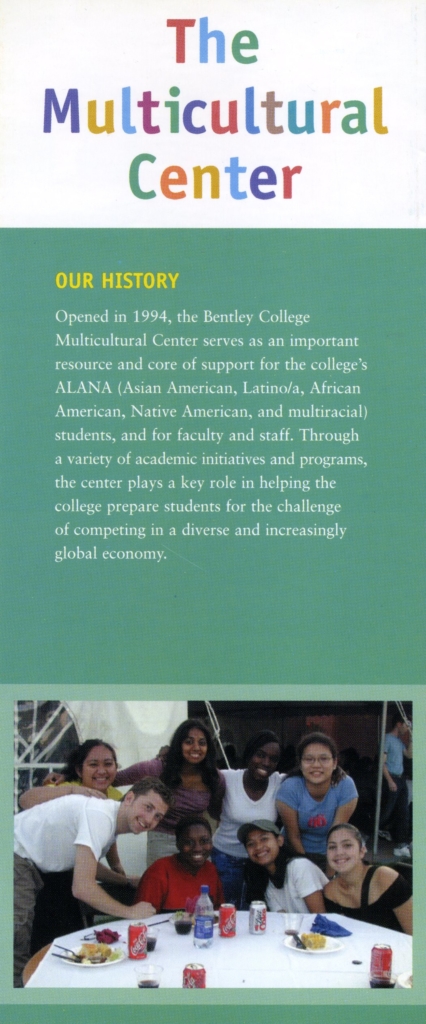
1995
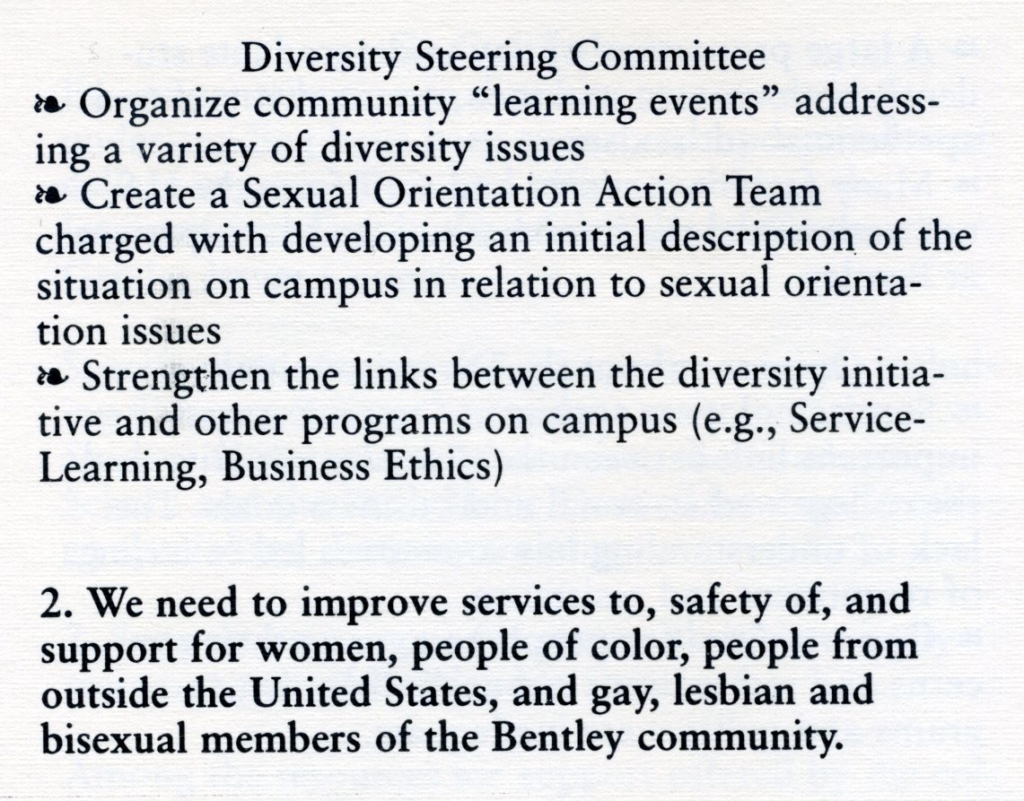
The SOAT (Sexual Orientation Action Team) is established. Faculty & staff are charged with improving campus climate for LGBT issues.
SOAT committee group photo

CA. 1995

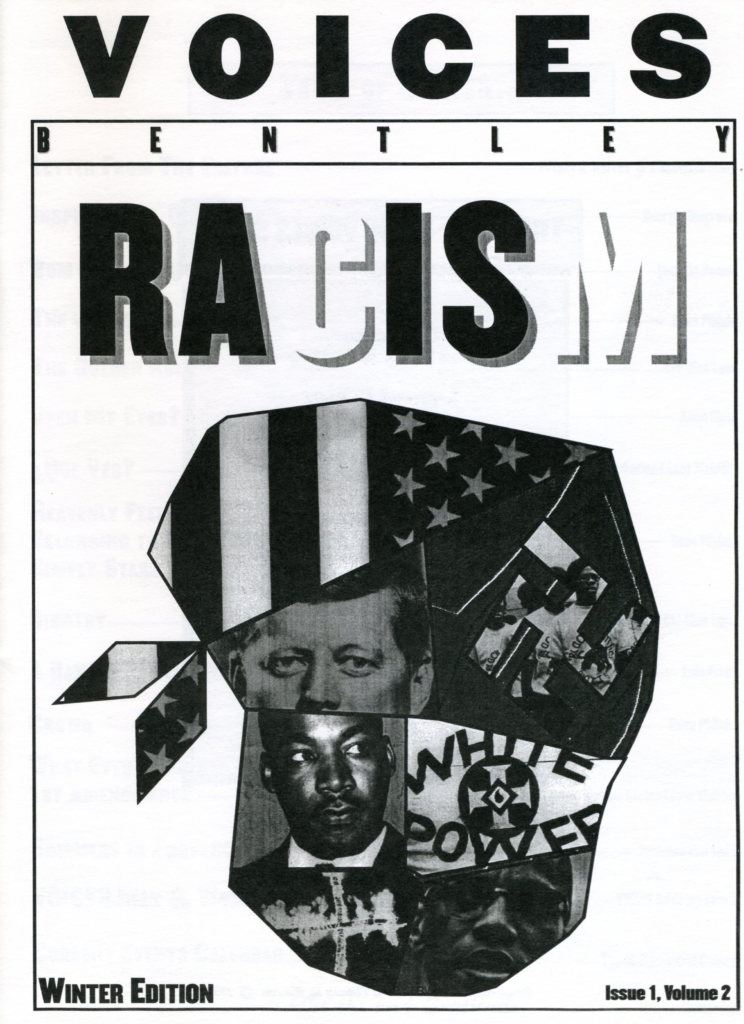
VOICES student publication cover
VOICES, a publication by students of color, is established.

1996

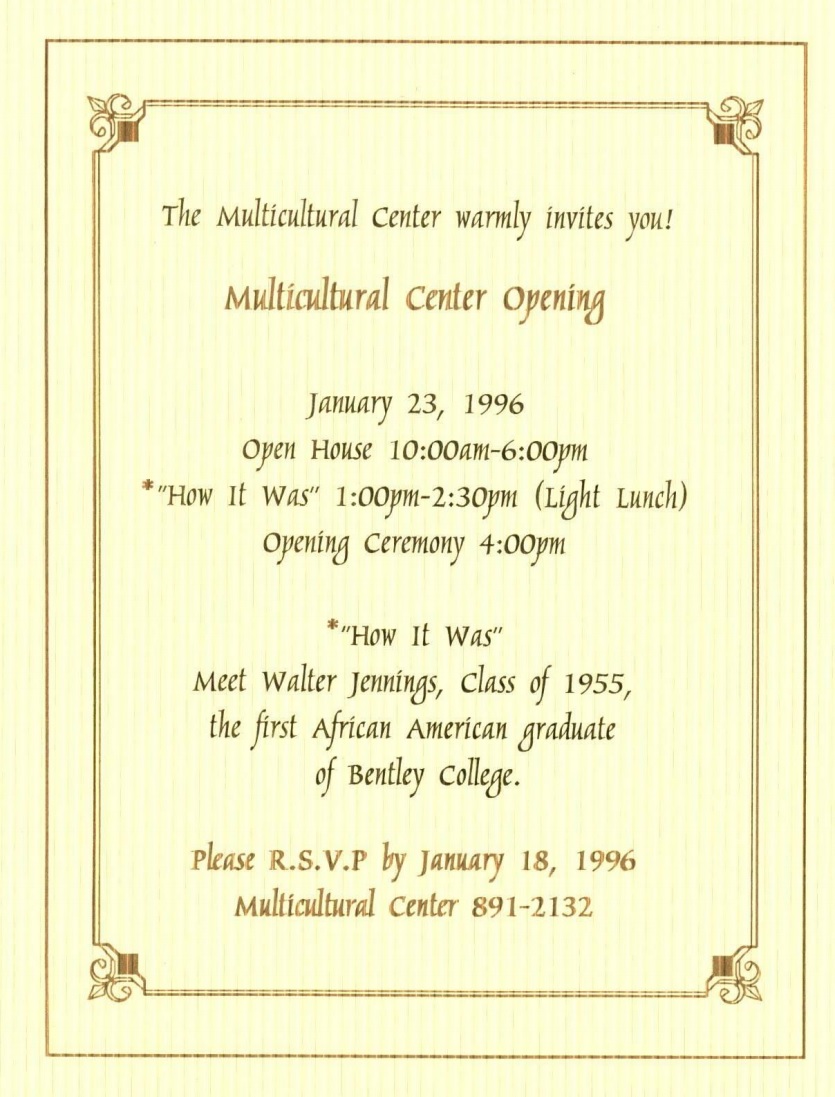
The Multicultural Center holds an Open House.
Multicultural Center Open House, 1996

1998

1998 VOICES issue edited by Asian students
Asian students edit and write a standalone issue of VOICES, organized by country of origin/descent.
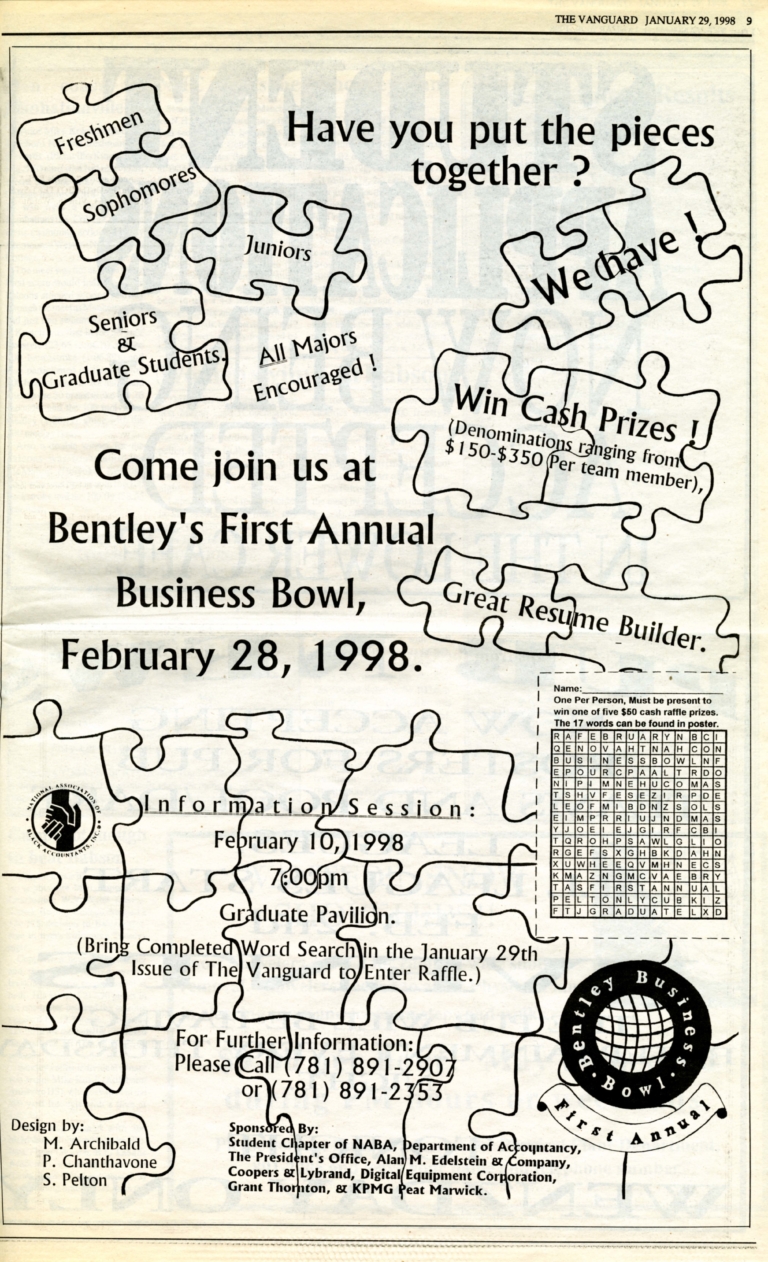
The first Bentley Business Bowl (sponsored by the newly formed National Association of Black Accountants (NABA) student chapter) is held on campus.
First Bentley Business Bowl hosted by NABA
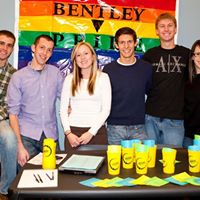
Bentley PRIDE group photo
PRIDE Advisor position is created. BGLA is renamed PRIDE.

1999

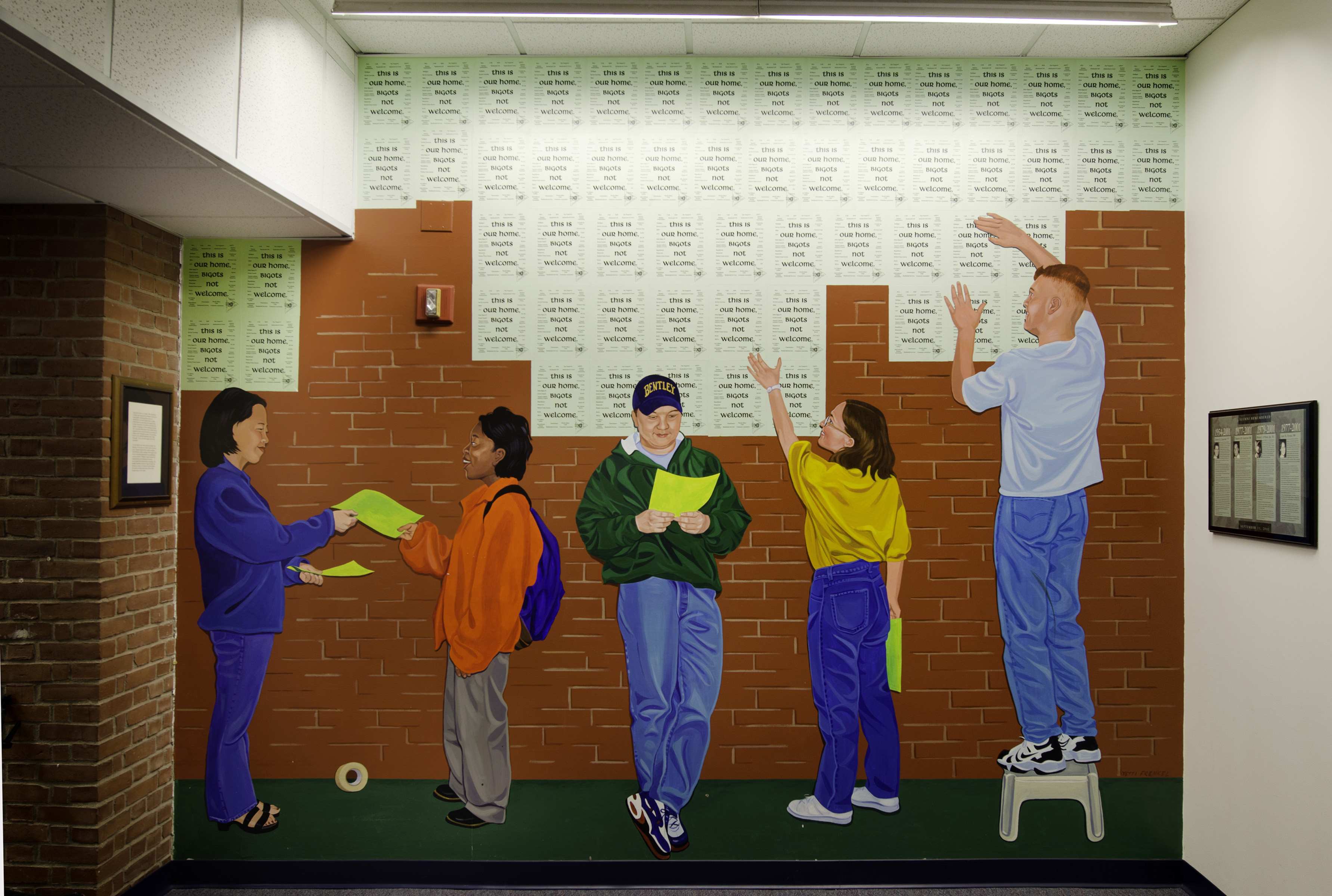
Several instances of racist and homophobic harassment are reported on campus. In response, over 400 students gather to hang posters that read “This is our home, bigots not welcome.”
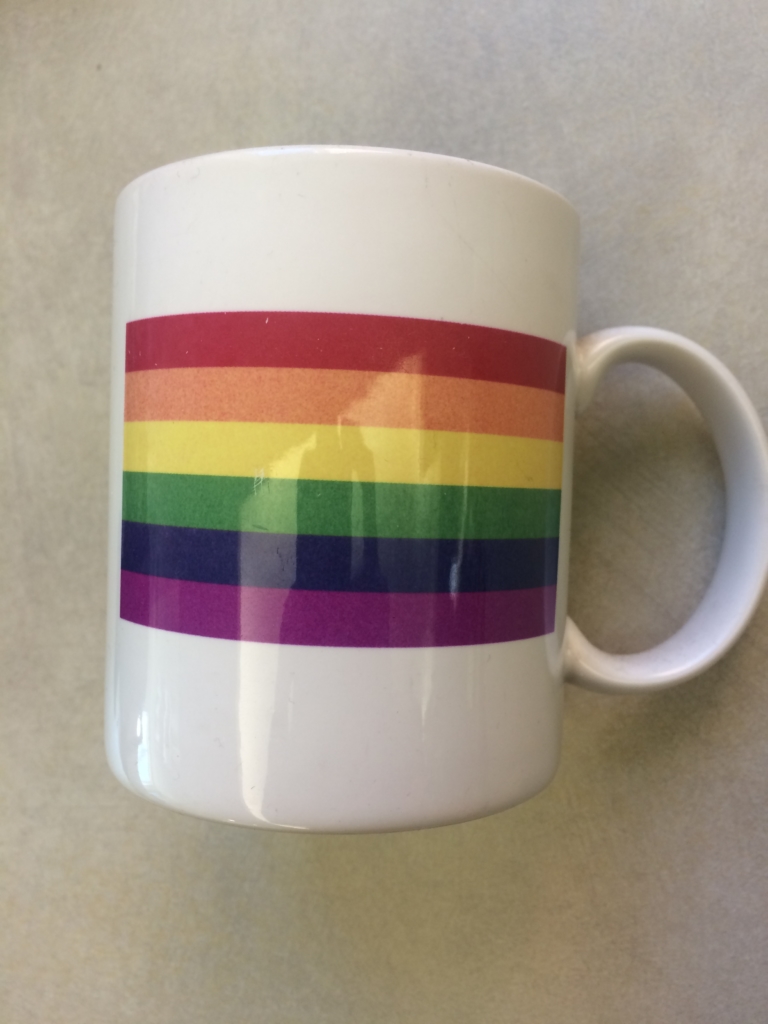
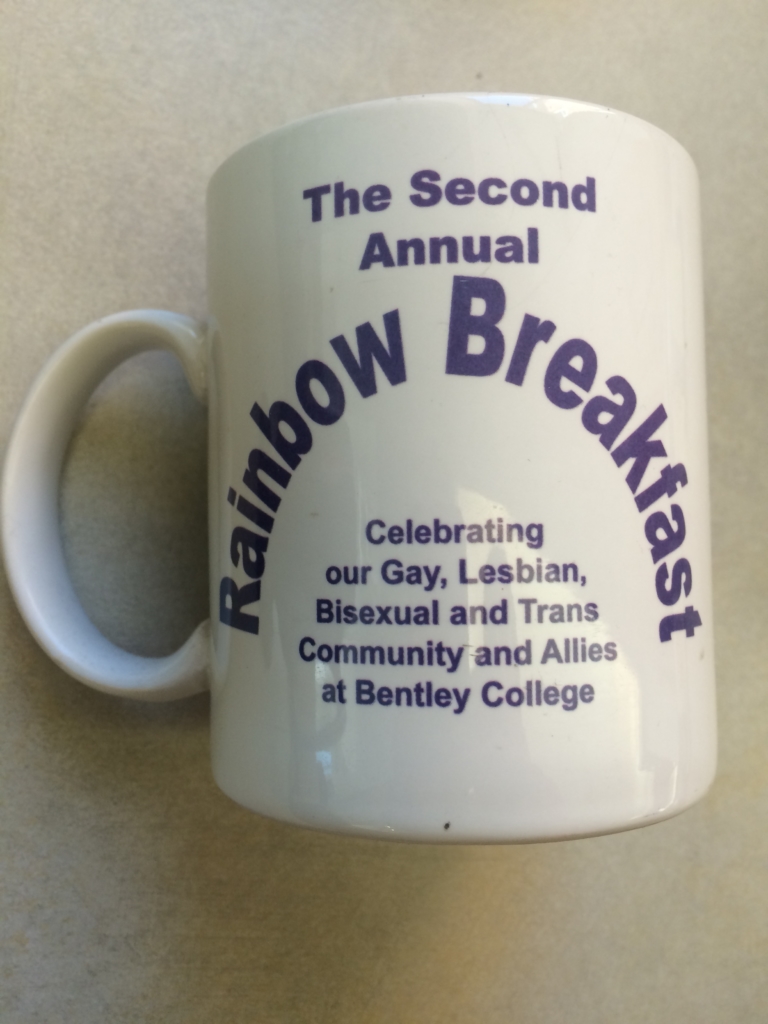
The 1st Annual Rainbow Breakfast is held.
2000-2009

2002

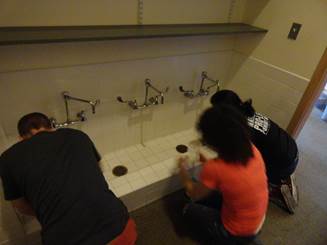
The new Student Center opens with a Sacred Space that includes a Wudu Room for foot washing for Muslim students, faculty and staff.
2003

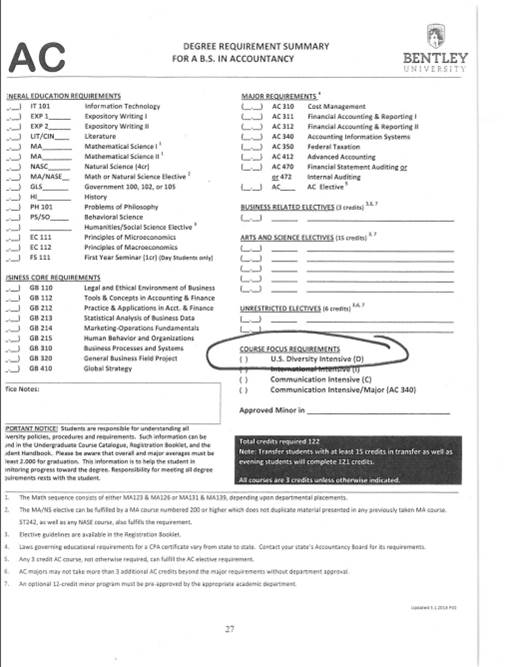
Diversity Intensive Requirement added to curriculum.

2004

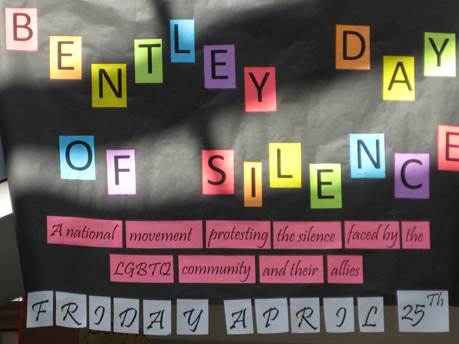
Day of Silence started by PRIDE.

2005

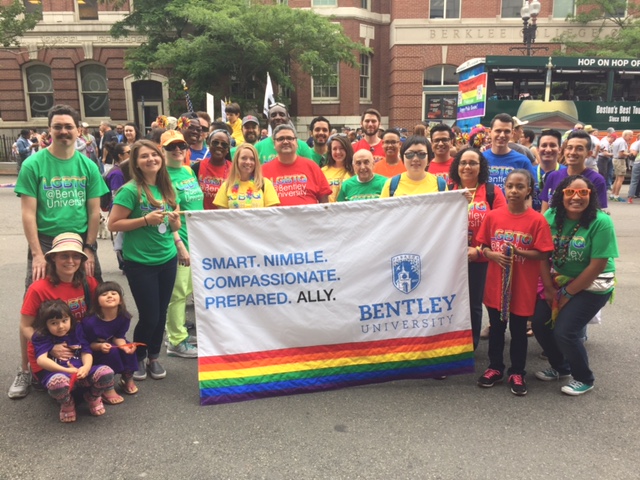
Bentley first marches in the Pride Parade.

2006

First Annual GLBTQ Alumni Reception/Mixer.

2010-2017

2010

Bentley modifies its non-discrimination/EEO policy to include gender identity.

2011

Bentley’s Center for Women and Business is founded.

2014

A Prayer Room is created in Lindsay Hall to better accommodate the Muslim community’s five times per day prayer practice.
2015

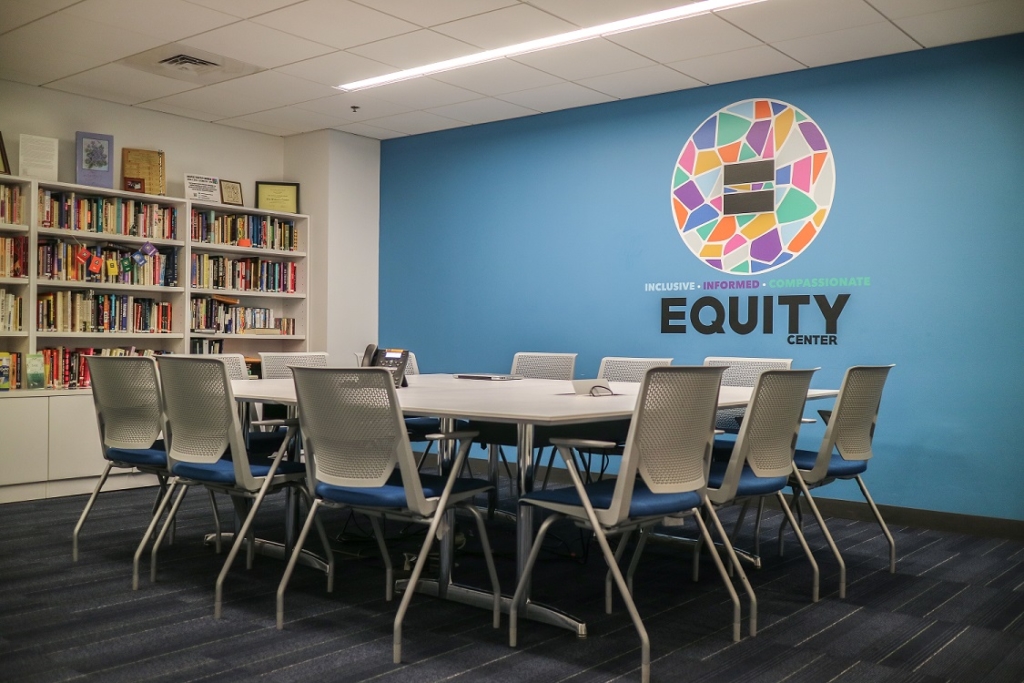
The Equity Center, a resource center and safe space, opens on campus.

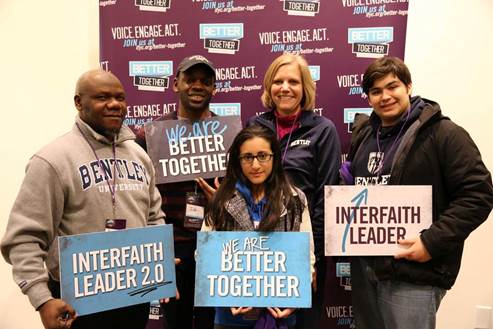
The Interfaith Student Council is formed.

2016

In response to the Pulse Orlando shooting, Bentley raises Rainbow Flag for the first time and pledges to raise it every June during Pride Month.


All-gender restrooms are available at Bentley.

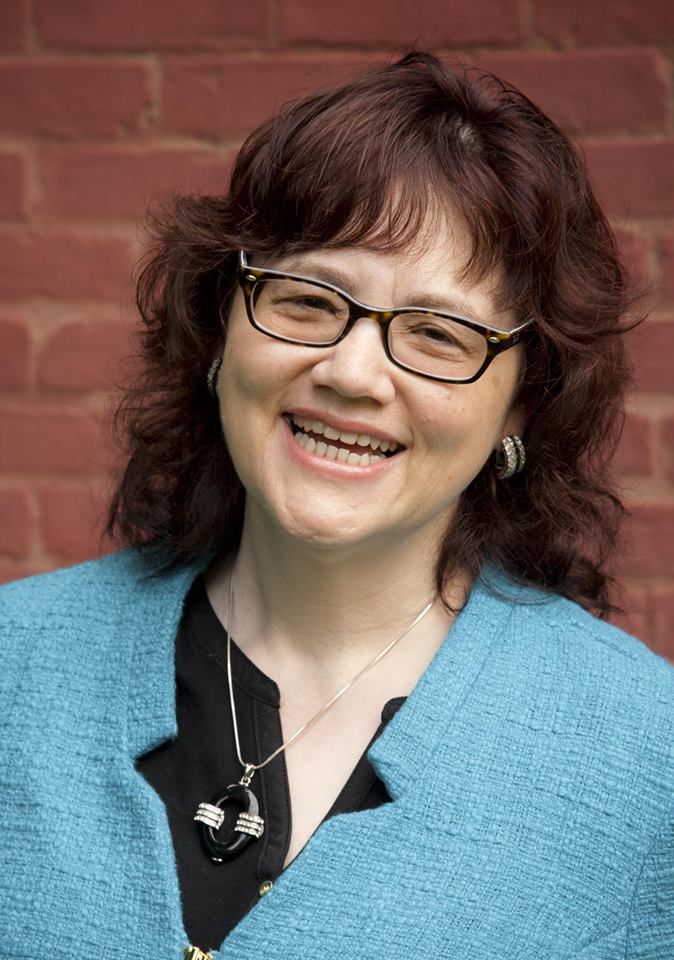
Donna Maria Blancero becomes Bentley’s first Hispanic dean.
The Bentley Brave initiative is launched by the Office of Diversity & Inclusion.